Why Local Restaurants Continue to Play a Big Role in How People Dine Today
Local restaurants continue to shape how people dine by offering experiences that feel personal, engaging, and connected to the surrounding community. Guests are increasingly looking for places that deliver more than a meal, seeking atmosphere, quality ingredients, and attentive service that reflects local character. These dining spaces create meaningful connections through food, conversation, and shared moments. This approach remains especially relevant as dining habits evolve and expectations continue to rise.
Unlike national chains, many local establishments are able to adapt more easily to changing preferences while maintaining consistent quality. From carefully developed menus to well-curated beverage options, these venues focus on creating approachable and enjoyable dining experiences. An emphasis on quality preparation and thoughtful presentation continues to appeal to today’s diners. As a result, local restaurants remain central to the modern dining landscape.
Preserves Culinary Identity Through Community Roots
One of the defining strengths of local restaurants is their ability to reflect the identity of the communities they serve. Menus often showcase flavors, techniques, and influences that feel familiar while still offering something distinctive. This balance allows diners to enjoy comfort and creativity in the same setting. Over time, these establishments become recognizable gathering places where memories are created.
Community engagement also extends beyond the dining room. Many local restaurants cultivate relationships with regular guests and often connect with their neighborhoods in meaningful ways. This sense of belonging encourages repeat visits and word-of-mouth recommendations. The result is a dining experience rooted in connection rather than convenience.
Responds to Changing Dining Habits
Dining preferences have shifted significantly in recent years, with guests valuing flexibility and convenience alongside quality. According to GlobeNewswire, the restaurant takeout market size grew to $2.68 trillion in 2024, highlighting how off-premise dining has become part of everyday routines. This growth reflects a demand for food that travels well while still maintaining freshness and flavor. Restaurants that offer both dine-in and takeout options are better positioned to meet these expectations.
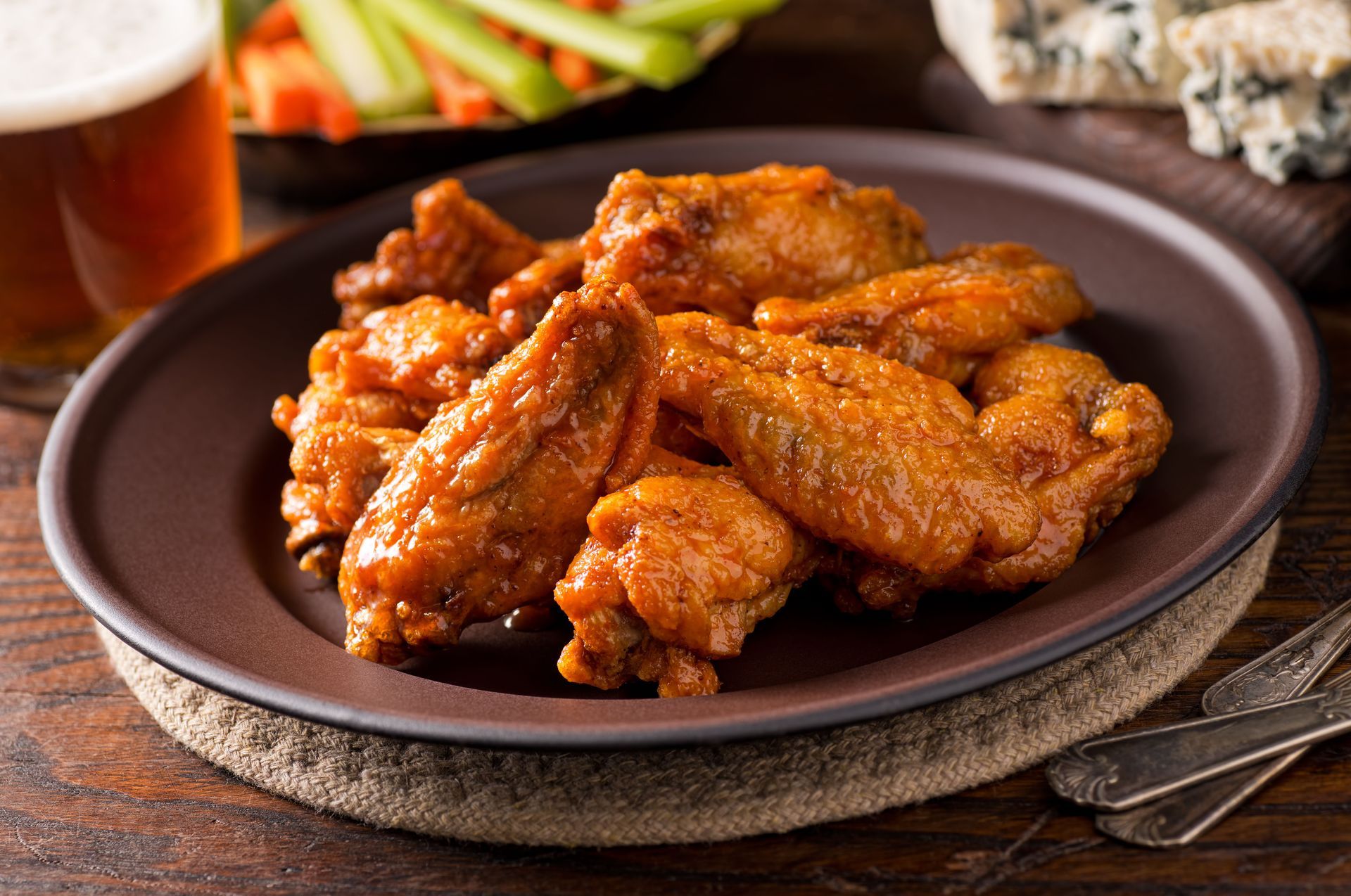
Successful establishments ensure that takeout meals mirror the same standards as on-site dining. Thoughtful packaging, consistent portioning, and attention to presentation help maintain quality beyond the restaurant walls. By offering reliable options for different dining occasions, local restaurants remain relevant to a wider range of customers.
Delivers Quality Through Thoughtful Menus
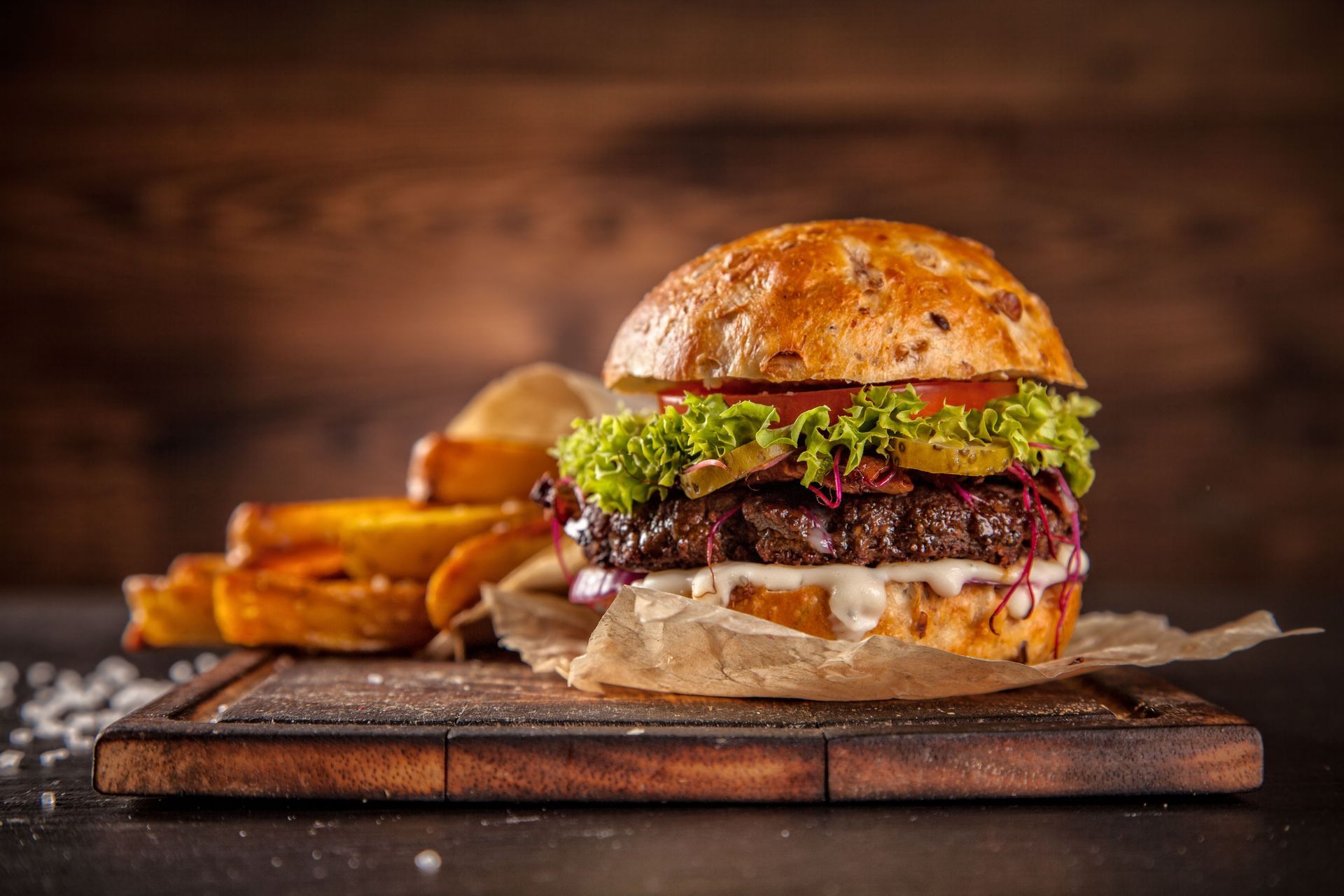
Menu development plays a critical role in setting independent dining establishments apart. Carefully curated selections allow chefs to highlight fresh ingredients while maintaining a cohesive identity. Seasonal updates keep offerings exciting and encourage guests to return to see what is new. This approach reflects a commitment to quality rather than quantity.
Many diners also appreciate menus that accommodate different preferences without sacrificing flavor. Balanced offerings that include lighter options alongside indulgent favorites appeal to a broad audience. When menus are designed with intention, they enhance the overall dining experience and reinforce brand consistency.
Enhances Experience Through Atmosphere and Service
Atmosphere is often what transforms a meal into a memorable experience. Thoughtful lighting, comfortable seating, and inviting décor create a setting where guests feel relaxed and welcome. These details contribute to longer visits, deeper conversations, and a stronger emotional connection to the space. The ambiance becomes part of what guests remember long after the meal ends.
Service further elevates the experience by making guests feel valued. Friendly, knowledgeable staff can guide menu selections, recommend pairings, and accommodate special requests. This level of attentiveness encourages guests to return and rely on the establishment for future dining occasions.
Supports Economic and Social Sustainability
Independent dining establishments contribute to local economies by creating jobs and supporting nearby suppliers. These businesses often source ingredients locally when possible, keeping revenue within the community. This economic circulation strengthens neighborhoods and fosters long-term stability. Guests who dine locally play a direct role in sustaining these efforts. Over time, this support helps maintain a balanced and resilient local business environment.
Beyond economics, these restaurants also support social sustainability. They serve as gathering spaces where people connect, celebrate milestones, and unwind after busy days. This social function reinforces their value beyond food service alone. Shared experiences in these spaces help build stronger community relationships.
Builds Loyalty Through Consistency and Care
Loyalty is built through consistent experiences that meet or exceed expectations. When guests know they can rely on quality food, welcoming service, and a comfortable environment, repeat visits become natural. Over time, familiar faces and routines create a sense of belonging. This connection is a defining advantage of local restaurants.
Consistency also applies to brand messaging and presentation. Clear communication, updated menus, and accessible online information help guests make confident decisions. When expectations align with reality, loyalty continues to grow.
Adapts to Digital Discovery and Engagement
Online presence plays an increasingly important role in how diners choose where to eat. Websites, menus, and social platforms often serve as first impressions. Clear visuals, accurate information, and easy navigation help guests understand what to expect before visiting. This digital touchpoint supports both new and returning customers. A well-maintained online presence also helps restaurants remain visible in a competitive dining market.
Restaurants that invest in digital engagement create stronger connections beyond the physical space. Sharing menu updates, events, and specials keeps audiences informed and engaged. These efforts complement in-person experiences and expand overall reach. Consistent communication helps reinforce brand recognition and guest familiarity.
Strengthens Community Ties Through Events and Gatherings
Hosting events and themed gatherings allows restaurants to deepen their role within the community. These occasions create opportunities for guests to experience the space in new ways. Whether celebrating seasonal offerings or hosting private gatherings, events add versatility to the dining experience. They also encourage guests to associate the restaurant with positive memories. Community events often foster repeat visits and stronger local relationships.
Community-focused programming reinforces the idea that dining establishments are more than places to eat. They become hubs for connection, conversation, and shared enjoyment. This role continues to strengthen the relevance of local restaurants in daily life. Strong community ties often translate into long-term guest loyalty.
Encourages Meaningful Dining Choices
Choosing where to dine is often about more than convenience. It reflects values, preferences, and a desire for meaningful experiences. Supporting local restaurants helps preserve diversity in dining options while strengthening community bonds. Each visit contributes to a shared ecosystem built on care and craftsmanship. Thoughtful dining choices can have a lasting local impact.
Guests who seek memorable meals paired with welcoming environments continue to gravitate toward independently owned establishments. These choices shape the dining culture of each community and influence its future. Ongoing support helps sustain vibrant local dining scenes.
The future of independent dining depends on adaptability, creativity, and continued focus on guest experience. Establishments that balance tradition with innovation are better equipped to navigate changing preferences. By staying attentive to feedback and industry trends, restaurants can evolve without losing their identity. This balance ensures long-term sustainability. Forward-thinking planning helps businesses remain resilient over time.
As dining habits continue to shift, the importance of quality, connection, and authenticity remains constant. Local restaurants that embrace these values will continue to thrive and serve their communities well. Consistency in these areas supports steady growth and guest satisfaction.
Experience thoughtfully crafted food, welcoming service, and a setting designed for connection by visiting The Black Sheep On Broadway today. Whether stopping in for a relaxed meal or gathering with friends, each visit offers an inviting atmosphere and carefully prepared dishes. From the menu to the service, every detail is designed to create a memorable dining experience that keeps guests coming back.


Share On: