8 Reasons Local Restaurants Are Growing In Popularity
In communities across the country, dining habits are shifting in meaningful ways. While national chains still command a significant share of the food service industry, more people are turning their attention and their appetites toward smaller, independently owned establishments that offer unique dining experiences. This growing trend reflects broader social, cultural, and economic changes. People today want more than predictable menus and standardized decor. They want authenticity, craftsmanship, and a sense of belonging. As these preferences continue to shape consumer behavior, it's clear that the appeal of independent eateries is stronger than ever. There are several key reasons why these businesses are thriving in today's competitive food landscape.
1. Personalized Dining Experiences
One of the biggest reasons for the growing popularity of local restaurants is the personalized touch they bring to the dining experience. Customers appreciate the warmth of being greeted by name, the feeling of belonging, and the genuine hospitality that small business owners often provide. Large chains rely on strict corporate standards, and while consistency can be comforting, it often lacks the personal charm locals seek.
Independent establishments, by contrast, are free to infuse their operations with the personalities of their owners and staff. This can be seen in everything from their menu items to their interior design choices. The result is a dining atmosphere that feels authentic and creative. Many people also enjoy supporting business owners who live in the same community, share similar values, and bring a local flavor that big brands simply cannot replicate.
2. Locally Sourced Ingredients
Consumers today are increasingly mindful of where their food comes from. The farm-to-table movement has grown steadily, and many diners now actively seek out places that prioritize seasonal, locally sourced ingredients. Independent eateries are at the forefront of this movement because they can form personal relationships with farmers, fishermen, and artisans in the area. This access allows them to craft menus around what's fresh and abundant at any given time.
The support for local food systems creates a ripple effect of sustainability. When people choose restaurants that partner with nearby suppliers, they reduce the carbon footprint associated with long-distance transport and contribute to the regional economy. For many, dining becomes an experience rooted in community, seasonality, and environmental awareness. It's no surprise that this emphasis on fresh and meaningful ingredients fuels the success of local restaurants, drawing customers who want meals they can feel good about eating.
3. Socially Accessible Atmospheres
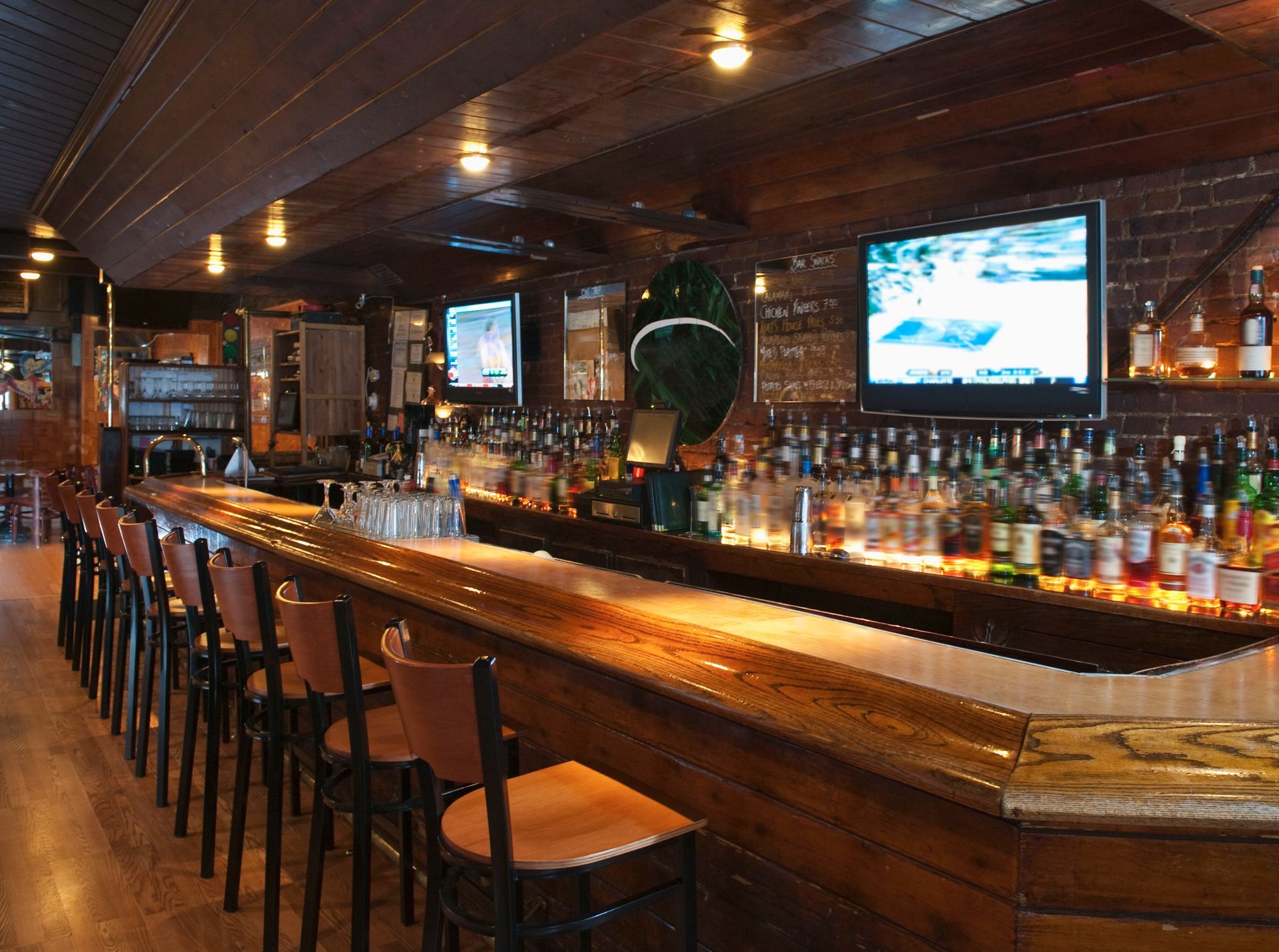
As society becomes more digitally connected, yet socially isolated, community-oriented spaces are growing increasingly valuable. Small eateries naturally serve as gathering places where people can foster real, face-to-face connections. Whether it's meeting a friend to watch a football game, hosting a celebratory dinner, or participating in a private event, these establishments often function as modern “third places,” social environments outside of home and work.
This sense of community is especially strong in restaurants that offer entertainment or social events. According to IBISWorld, as of 2024, there were 1,548 sports bars in the U.S., with the industry experiencing a growth rate of 4.7% year-over-year from 2019 to 2024. This growth reflects an increasing desire for spaces where people can connect over shared interests, cheer for their favorite teams, and participate in local traditions. Independent eateries that incorporate entertainment, whether sports, live music, or themed events, strengthen their role as vital pillars of the local culture. As a result, they become places where lasting relationships are built and community identity is reinforced.
4. Unique Menu Choices
Diners appreciate novelty, and independent establishments offer creative menus that stand apart from corporate recipes. Chefs in local restaurants have the freedom to experiment with flavors, textures, and cooking techniques, often drawing inspiration from family traditions, heritage cuisines, or global influences. This creativity results in dishes that customers cannot find at chain establishments.
Because these chefs work closely with seasonal ingredients, their menus evolve throughout the year. This variety keeps dining exciting and encourages repeat visits. Some restaurants also curate limited-time specials or themed dining nights that celebrate cultural traditions or contemporary culinary trends. As Americans become more adventurous eaters, an appreciation for diverse and original food offerings naturally propels the growth of independent establishments.
5. Increased Digital Storytelling
Social media has transformed how people discover dining options. These platforms have become visual marketplaces where food photography and video content can quickly elevate a small eatery into a local sensation. Independent restaurants often excel in this environment because their dishes, decor, and brand stories are unique, visually striking, and highly shareable.
In many cases, a single viral video showcasing a signature dish can generate more foot traffic than traditional advertising ever could. Customers also enjoy following the behind-the-scenes stories of these businesses, including profiles of the chefs, glimpses of daily food preparation, or photos highlighting new menu items. This creates a personal connection and forms a loyal digital community. By leveraging their authenticity and creativity, local restaurants organically attract customers who want to be part of their story.
6. Stronger Service Quality
Unlike national chains that rely on high-volume output and streamlined processes, independent establishments can prioritize quality in every aspect of their service. Many small businesses focus on crafting dishes from scratch, using high-quality ingredients, and paying close attention to culinary detail. This dedication results in meals that feel thoughtfully prepared and deeply satisfying.
Customers today are more discerning than ever. They are willing to pay a bit more for better food, better service, and a better overall dining experience. As economic conditions have shifted and people have re-evaluated how they spend discretionary income, the trend toward value-driven dining, where quality outweighs quantity, has strengthened significantly. This preference naturally supports the continued success of local restaurants, which excel in providing a well-rounded, enjoyable experience that customers feel is worth their investment.
7. Ethical Business Practices
Many diners find themselves drawn to establishments that prioritize ethical business practices. These may include sustainable sourcing, environmentally friendly operations, charitable community involvement, or fair labor standards. Independent eateries are often more transparent and engaged in these areas because they are directly connected to the community they serve.
Customers increasingly want their dining dollars to support businesses whose values align with their own, and this desire extends to supporting local restaurants. This alignment strengthens customer loyalty and creates a positive feedback loop that helps independent establishments thrive. When these restaurants take steps toward more ethical practices, they inspire their diners to do the same.
8. Communal Economic Support
Supporting independent eateries is also a way for consumers to invest in their local economies. When people spend money at small businesses, a greater portion of those dollars stays within the community, supporting local workers, suppliers, and services. This economic ripple effect helps create jobs, contributes to neighborhood revitalization, and fosters a stronger sense of shared prosperity.
As residents become more aware of how their spending influences their local economy, they're choosing more intentionally where to dine. This growing awareness directly contributes to the rising popularity of local restaurants and reinforces the idea that dining out can be both enjoyable and economically responsible.
The rising popularity of independent eateries represents a meaningful shift in how people think about food, community, and culture. Today's diners aren't simply looking for convenience or predictability; they want experiences rooted in authenticity, creativity, and connection. From personalized service and fresh, locally sourced ingredients to community-centered atmospheres and strong ethical values, these establishments offer something truly special. As more people choose to support businesses that enrich their neighborhoods and reflect their values, the future of local restaurants looks brighter than ever. Come join us at The Black Sheep On Broadway for a quality meal at your local eatery.



Share On: