Why Restaurants Matter to Local Communities
Dining out is a huge part of our weekly routines, bringing people together over great food and shared experiences. Beyond serving up tasty dishes, the presence of restaurants plays a massive role in shaping our neighborhoods. They act as the heartbeat of our town, making our lives a whole lot brighter and better. Every single week, thousands of locals rely on these establishments to provide comfort, excitement, and a sense of routine.
Driving Local Economic Growth
When a new spot opens up, the neighborhood gets an immediate financial lift. This business pours money back into the area by buying fresh ingredients from nearby markets and sourcing supplies from local vendors. Every dollar spent on a meal tends to stay right in the town, helping other small shops thrive and bloom. The financial ripple effect extends far beyond the dining room walls, creating a prosperous ecosystem that lifts everyone. This interconnected web of commerce keeps local banks, farms, and suppliers operating at their absolute best.
Property values often go up when a neighborhood becomes known for a fantastic culinary destination, attracting new residents and visitors alike. This steady economic activity helps fund town improvements, parks, and schools that make the area a nicer and more rewarding place for everyone. A successful business acts as an economic anchor, drawing in foot traffic that keeps the entire commercial district healthy and profitable for years to come.
According to the National Restaurant Association, there are six specific advocacy areas in the industry's policy agenda, such as tip wages, workforce challenges, and immigration reform. Navigating these big topics keeps owners busy, but their primary focus remains on keeping cash flowing through the neighborhood economy. This steady financial support keeps communities strong and resilient over time, proving that local commerce is built on food. When you buy a plate of food, you are directly investing in the future stability of your hometown.
Creating Vital Social Hubs
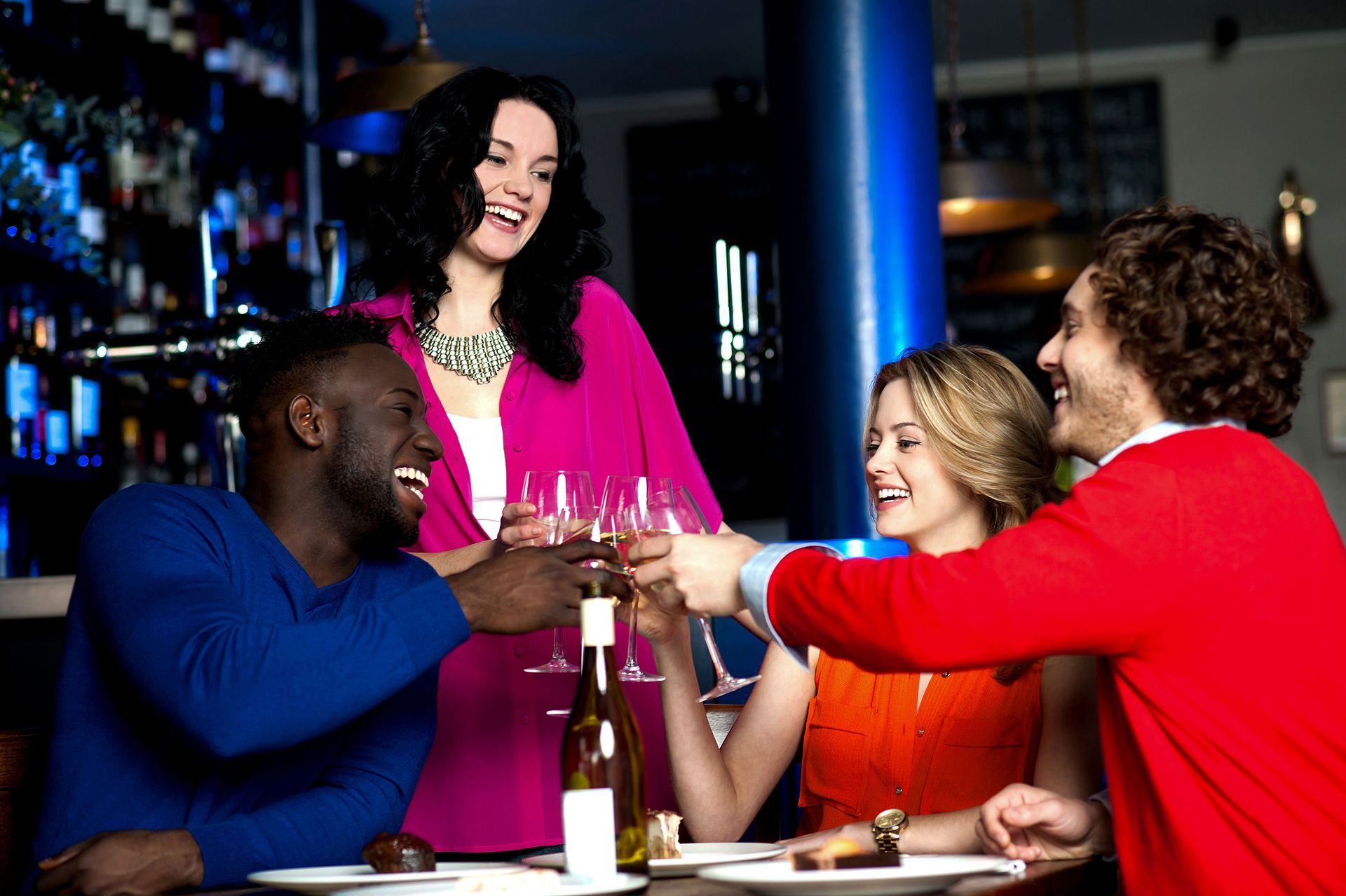
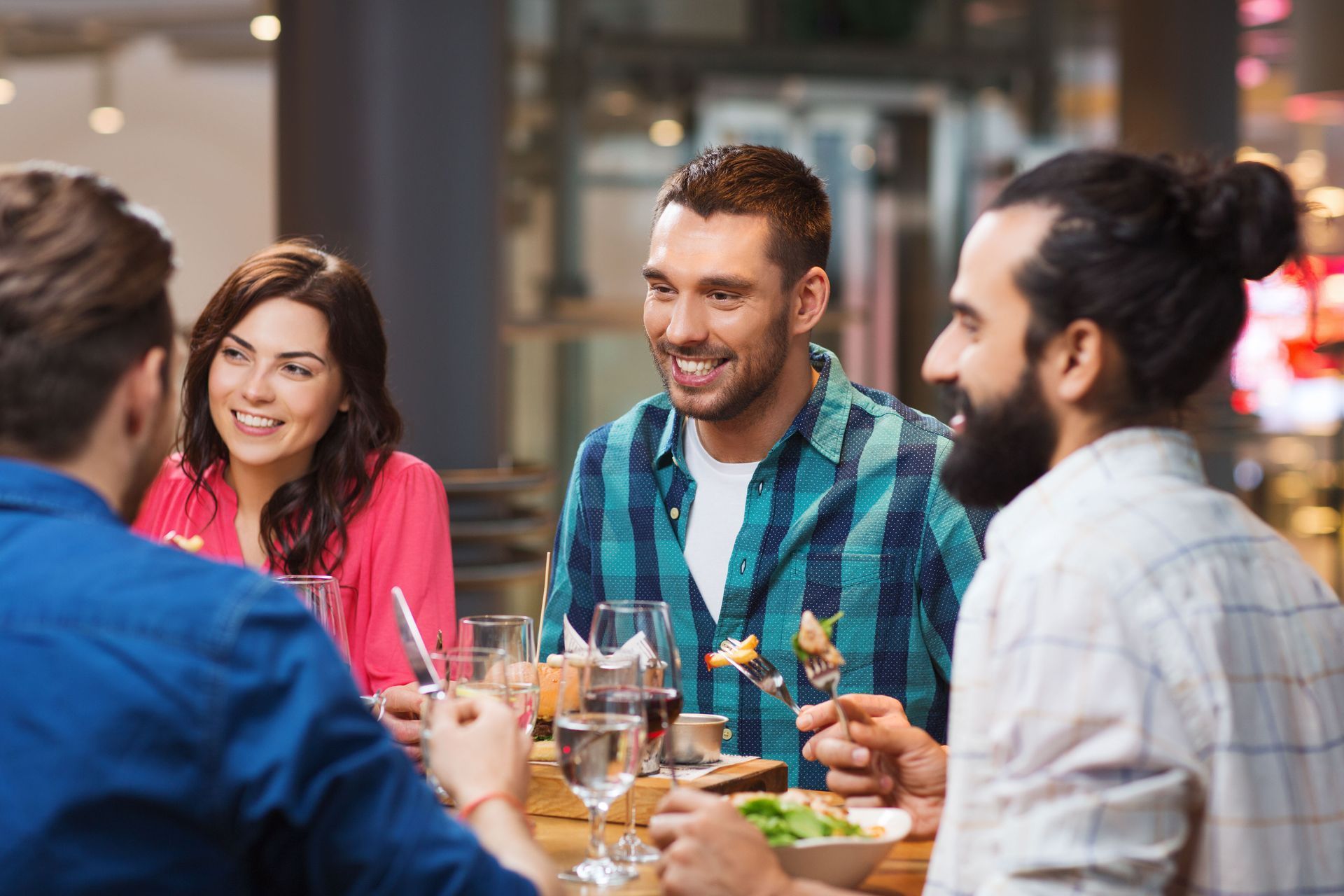
Think about where you go to celebrate a birthday, catch up with an old friend, or unwind after a long week. A beloved local spot serves as our collective living room, offering a warm space where people can relax completely. It provides the perfect backdrop for making memories, sharing laughs, and building lasting friendships with neighbors who walk through the front door with a smile.
Without this space, our towns would feel much more isolated and disconnected from the joys of daily social life. It gives people a reason to step outside, chat with familiar faces, and meet new folks from around the block. This regular interaction builds a strong sense of belonging that keeps neighborhoods feeling tight-knit, welcoming, and happy for families of all shapes and sizes. Having common ground where everyone is welcome helps dissolve the barriers that often keep people apart.
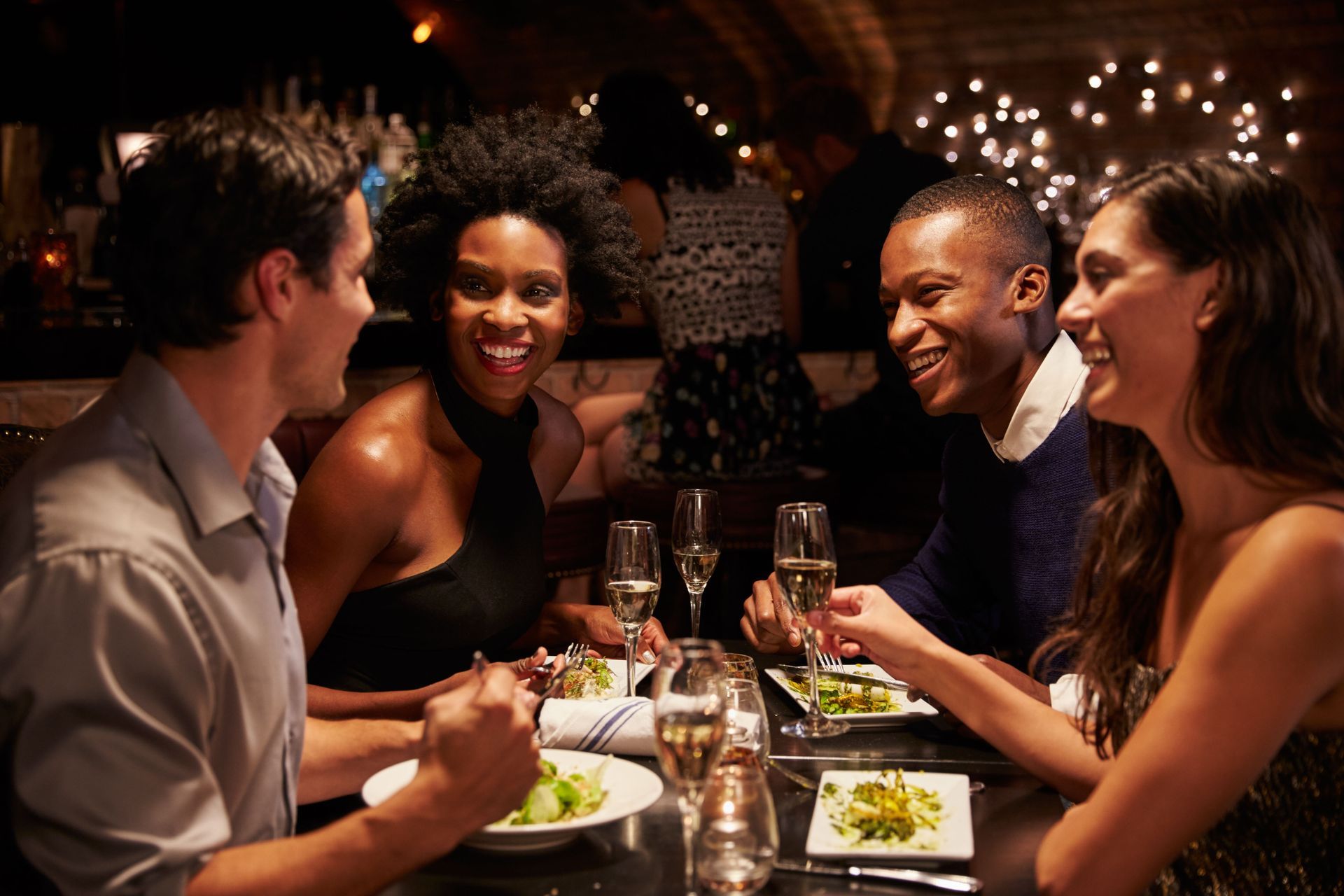
From casual midday lunches to late-night family dinners, understanding why communities value restaurants helps us appreciate these gathering spaces even more. It's the place where milestones are marked, and daily victories are toasted with joy. Having a reliable spot to gather makes a neighborhood feel like a true home, anchoring the social fabric of the town in a meaningful way. Generations of families grow up visiting the same tables, passing down a legacy of shared experiences.
Providing Convenient Daily Dining Solutions
Modern life moves incredibly fast, leaving busy professionals and frantic families with very little time to cook a proper meal at home. A neighborhood dining spot steps in to save the day by offering high-quality dishes without the hassle of kitchen prep or cleanup. This convenient option gives tired people a much-needed break from their daily chores after an exhausting day. Outsourcing dinner frees up precious evening hours that can be spent focusing on personal wellness or hobbies instead.
Having a reliable place nearby means people can enjoy a satisfying, expertly prepared lunch or dinner whenever their schedule gets completely overwhelmed. It takes the pressure off meal planning, allowing individuals to focus their energy on work, hobbies, or spending quality moments with loved ones. This seamless convenience enhances the day-to-day rhythm of the entire area, making local life feel smoother and more manageable.
By offering a dependable option for every mealtime, the establishment becomes an essential utility for the people living right down the street. Recognizing how restaurants fit into our frantic schedules highlights how much they improve our overall well-being and daily comfort. They provide the practical, delicious infrastructure that keeps the busy modern neighborhood running smoothly every single day. Having these food options nearby simplifies the logistics of managing a chaotic, modern household budget and timeline.
Shaping Unique Cultural Identities
Every town has a distinct personality, and a popular dining spot plays a massive part in defining that flavor. From a historic diner vibe to a trendy bistro setting, the unique menu reflects the diverse backgrounds of the people who live nearby. This spot tells the story of the neighborhood through its food, celebrating the rich history of the area and keeping traditions alive.
Food has a magical way of introducing us to new cultures and traditions right in our own neck of the woods. Trying a new dish can expand your horizons and build a deep appreciation for different heritages without ever leaving your zip code. This cultural exchange makes our communities more inclusive, interesting, and beautiful places to live, work, and grow together over generations. A diverse culinary environment fosters curiosity and respect among neighbors from all walks of life.
When visitors come to town, learning how restaurants shape the local culinary identity gives them a true taste of the area. A distinct food identity puts a town on the map, making it a destination people want to experience firsthand. This pride in local flavors brings neighbors together and celebrates what makes the area special, unique, and memorable to everyone. Tourists often remember a town solely based on the incredible meal they experienced while passing through.
Anchoring Vibrant Main Streets
A row of dark storefronts can make a street feel lonely, but brightly lit windows change the whole vibe of a block. An active dining room pulls people out onto the sidewalks, making the streets feel alive, cheerful, and full of eager energy. This steady foot traffic benefits nearby clothing boutiques, bookstores, and theaters that rely on active shoppers passing by. When consumers wander out for a bite to eat, they inevitably check out the surrounding shops.
When streets are busy with diners, the whole area naturally feels much more vibrant, inviting, and comfortable for pedestrians. People feel good walking around, window shopping, and spending a lazy, bright afternoon exploring everything their town has to offer. This lively atmosphere encourages other brave entrepreneurs to open up shops nearby, creating a bustling district that everyone can enjoy together.
Keeping main streets alive requires a lot of moving parts, but a great dining spot serves as the perfect anchor. It provides a reliable reason for folks to visit the downtown area week after week, keeping the town center relevant. Seeing how restaurants transform quiet streets into bustling avenues highlights their importance in keeping our hometowns truly alive and thriving. Without that central beacon of activity, commercial centers often struggle to maintain their historical charm and appeal.
Our neighborhoods would look completely different without a great spot keeping things lively and bright. This single business does so much heavy lifting by creating jobs, boosting the economy, and giving us spaces to connect. Supporting local restaurants is the best way to keep our hometowns strong, healthy, and vibrant for years to come. Stop by The Black Sheep On Broadway to experience this community spirit firsthand and enjoy a fantastic meal with your neighbors.
Share On: