
Pairing Sliders, Sides, and Desserts for the Ultimate Meal at Your Local Restaurant
Restaurant dining becomes memorable when thoughtful menu pairings create balanced, satisfying meals where each component complements others perfectly throughout dining experiences. Many diners randomly select items without considering how flavors, textures, and richness interact, missing opportunities for truly exceptional meal combinations. Understanding how to pair sliders with sides and desserts helps you create harmonious dining experiences that restaurants design their menus to deliver. The difference between good meals and extraordinary ones often comes down to intentional pairing rather than just ordering favorite items. Learning what culinary professionals consider when combining menu elements empowers you to craft memorable dining experiences, maximizing flavor and satisfaction.
Balancing Rich Sliders With Lighter Sides
According to Toast, 38% of Gen Z drinkers bought more non-alcoholic beverages in 2024 than in the previous year. Rich, indulgent sliders, including those with cheese, bacon, or special sauces, benefit from lighter side pairings that prevent meals from feeling overwhelmingly heavy. Fresh salads, grilled vegetables, or fruit provide refreshing contrasts that cleanse palates between bites while adding nutritional balance to otherwise indulgent meals. The pairing wisdom that thoughtful ordering employs recognizes that variety in richness levels creates more enjoyable eating experiences than uniformly heavy choices. A well-planned local restaurant meal pairs decadent sliders with lighter sides, creating balance rather than overwhelming diners with excessive richness throughout courses. Fresh greens with vinaigrette, crisp cucumber salad, or grilled asparagus complement rather than compete with slider flavors through the contrast they provide. The balance these combinations achieve prevents flavor fatigue while ensuring diners finish meals satisfied rather than uncomfortably full from excessive richness.
Matching Flavor Profiles Across Components
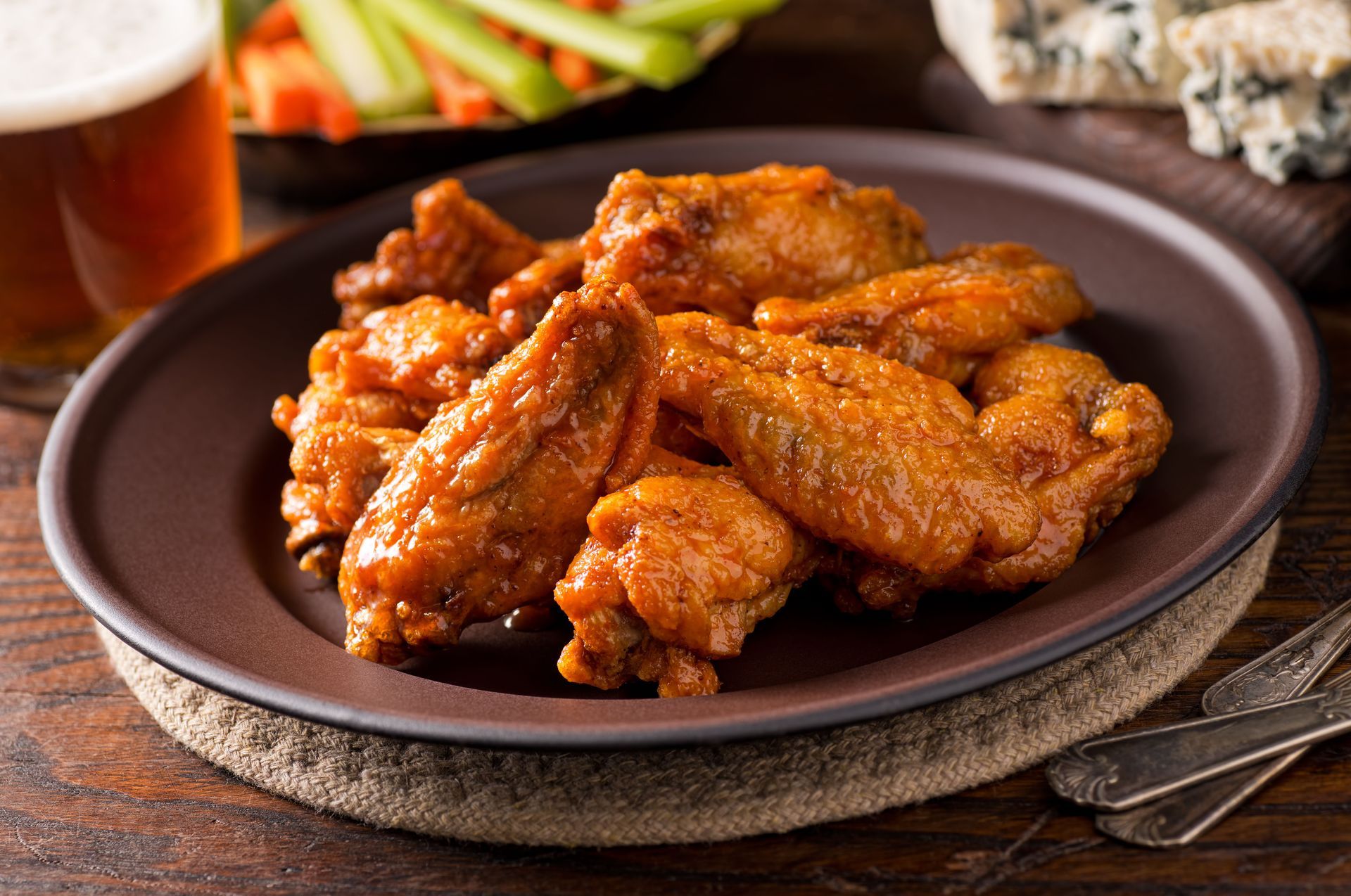
Complementary flavors across sliders, sides, and desserts create cohesive meals where each course enhances the others through shared flavor themes. BBQ sliders pair naturally with coleslaw and cornbread, while Asian-inspired sliders match well with cucumber salad and ginger-accented desserts. The flavor harmony that intentional pairing creates proves more satisfying than random combinations, where conflicting tastes create confusion rather than enhancement. Thoughtfully ordered local restaurant meals coordinate flavors across courses, creating unified taste experiences rather than jarring transitions between incompatible flavor profiles. Buffalo chicken sliders match beautifully with blue cheese coleslaw and celery sticks, while Mediterranean lamb sliders complement hummus, tabbouleh, and baklava. The flavor continuity these pairings establish creates memorable dining experiences through the cohesiveness that thoughtful menu navigation delivers consistently.
Contrasting Textures for Interest
Varied textures, including crispy, creamy, and crunchy elements, create interesting eating experiences, preventing the monotony that uniform textures create throughout meals. Soft slider buns benefit from crispy fries or crunchy slaw, providing textural variety that makes each bite more engaging. The textural diversity that smart pairing delivers prevents the boredom that develops when everything on the plates feels similar despite different flavors. Texture-aware ordering combines soft sliders with crispy sides like sweet potato fries, onion rings, or fresh vegetable sticks, providing satisfying crunch. Creamy sides, including mac and cheese or mashed potatoes, pair well with crispy-edged sliders or crunchy toppings, adding textural contrast throughout bites. The variety these combinations provide keeps meals interesting through the textural play that prevents fatigue despite multiple slider courses ordered.
Considering Portion Sizes and Appetite
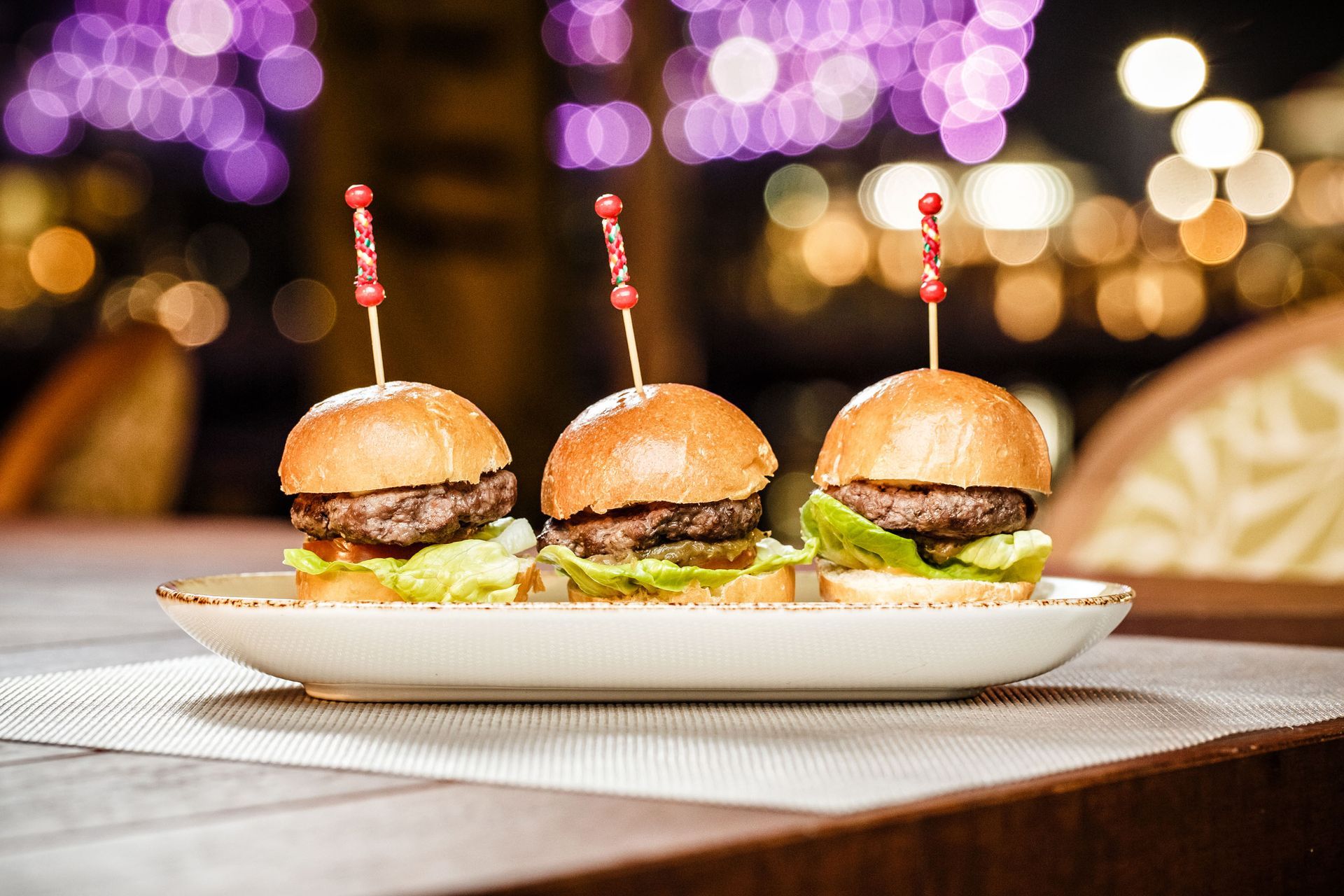
Slider portions allow sampling multiple flavors, though total food volume requires consideration, ensuring meals satisfy without creating uncomfortable fullness. Three sliders with generous sides and dessert might prove excessive, while two sliders with modest sides and shared dessert create perfect satisfaction. The portion planning that enjoyable dining requires means considering appetite, subsequent activities, and how much food actually provides satisfaction versus just clearing plates. Strategic local restaurant ordering considers slider quantities alongside side portions, ensuring adequate food without the discomfort that overordering creates despite good intentions. Starting with two sliders and a side allows adding more if hungry, while immediately ordering three sliders plus multiple sides often proves excessive. The portion awareness this approach employs prevents the waste and discomfort that overenthusiastic initial ordering creates when eyes prove larger than stomachs.
Timing Courses for Optimal Enjoyment
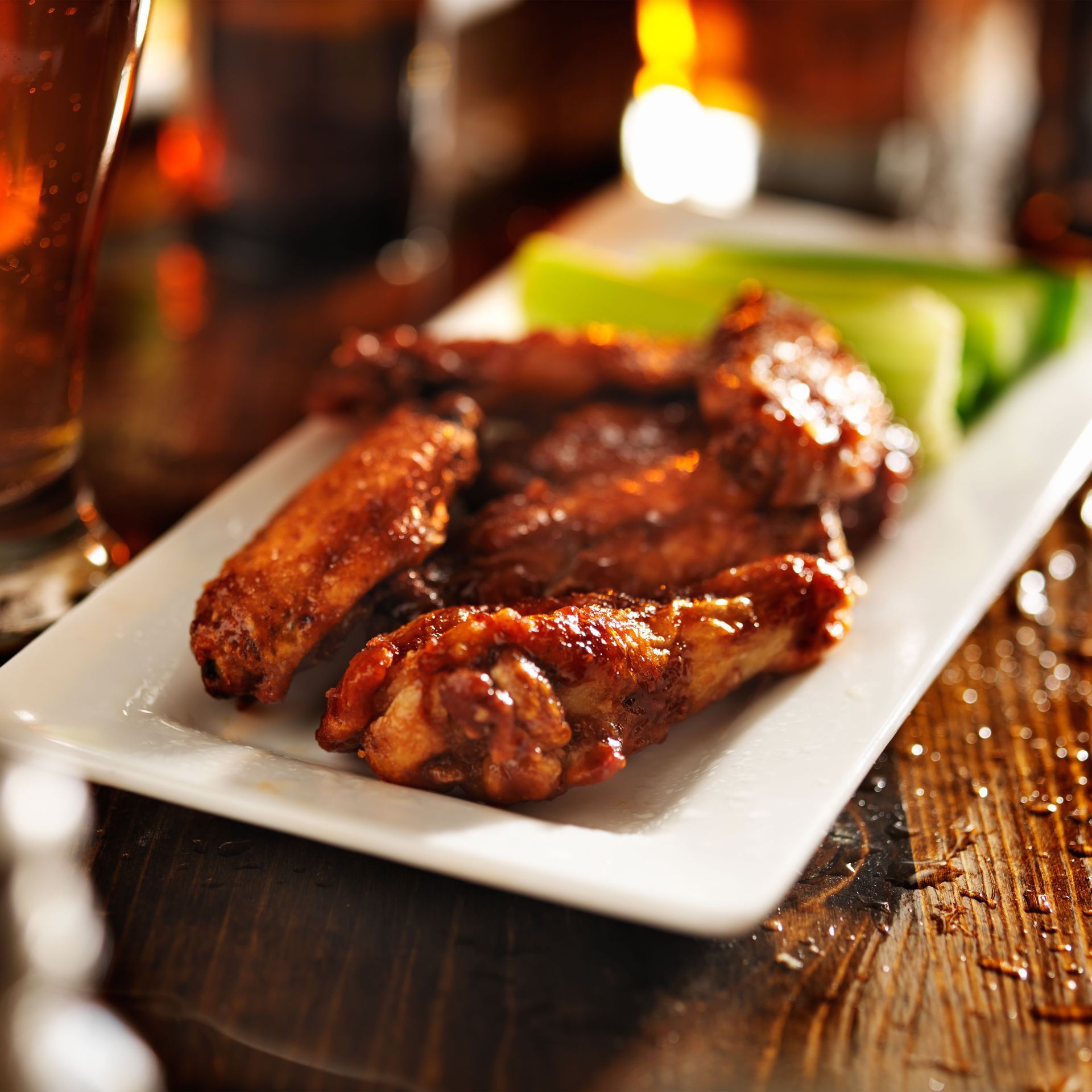
Appetizers before sliders prepare palates while preventing excessive hunger that causes rushed eating, diminishing the enjoyment that thoughtful tasting provides. Proper pacing allows savoring each course rather than consuming everything rapidly when extreme hunger drives eating speed over appreciation. The course timing that restaurants offer through appetizer-main-dessert progression creates optimal dining experiences that simultaneous arrival cannot match, despite efficiency. Well-paced local restaurant dining starts with appetizers like wings or nachos, progresses to slider courses allowing proper enjoyment, and finishes with desserts. This sequential approach allows conversation between courses while preventing the rushed consumption that excessive hunger creates when waiting proves too long. The timing of these progressions provide enhances satisfaction through the measured pace that allows genuine appreciation rather than hurried consumption driven by hunger.
Sharing for Variety and Exploration
Sharing sliders, sides, and desserts among dining companions allows sampling more menu items than individual ordering permits within reasonable portions. This communal approach provides variety, encourages conversation, and creates shared experiences that individual plate isolation cannot generate, despite personal preferences. The sharing culture that many restaurants encourage through menu design creates opportunities for exploration that solo dining limits, despite curiosity about offerings. Social local restaurant dining encourages sharing multiple slider varieties, several side options, and dessert splitting, allowing everyone to sample diverse flavors. This approach maximizes menu exploration while preventing the monotony that ordering identical items creates when dining companions want variety without excessive portions. The variety sharing provides creates richer dining experiences through the diversity that communal ordering enables compared to individual plate limitations.
Beverage Pairing Considerations
Beverages should complement food flavors, with beer, wine, cocktails, or non-alcoholic options chosen to enhance rather than overpower slider tastes. Light beers suit delicate sliders while robust wines match heartier options, with beverage selection proving as important as food pairings. The beverage thoughtfulness that complete meal planning includes recognizes that drinks significantly affect how food tastes throughout dining experiences. Beverage-conscious local restaurant ordering pairs drinks with slider flavors, selecting beers complementing BBQ, wines matching gourmet preparations, or craft sodas enhancing flavors. IPAs cut through rich, fatty sliders while lighter lagers refresh palates between bites of spicy options without overwhelming subtle flavors. The drink pairing attention these selections demonstrate elevates meals through the enhancement that thoughtful beverage choices provide throughout dining experiences.
Ending With Complementary Desserts
Dessert selections should consider meal richness, with lighter options following heavy meals, while more substantial desserts can follow lighter dining. Fruit-based desserts provide refreshing finishes after rich sliders, while chocolate indulgences satisfy when meals prove less heavy overall throughout courses. The dessert selection that meal balance requires means considering what's been consumed rather than just ordering favorite sweets regardless of context. Finale-focused local restaurant dining chooses desserts complementing prior courses, selecting sorbet after rich meals or chocolate lava cake following lighter slider selections. Shared desserts allow sampling without excessive sweetness overwhelming already-satisfied diners who want just tastes finishing meals perfectly without overindulgence. The dessert wisdom these choices demonstrate provides satisfying conclusions rather than the regret that excessive final courses create despite initial appeal.
Understanding how to pair sliders, sides, and desserts creates memorable dining experiences that thoughtful menu navigation delivers through intentional combinations. The balance, variety, and complementary flavors that strategic ordering achieves transform ordinary meals into exceptional dining experiences worth remembering. Making informed menu selections ensures restaurant visits provide maximum satisfaction through the thoughtful pairings that culinary professionals design menus to deliver. Whether you need appetizers, handhelds, sides, sliders à la carte, or soups and salads, The Black Sheep on Broadway offers happy hour Monday through Friday, stays open seven days a week, and features live music on weekends. For more information, contact us today!
Share On: