How to Choose the Best Restaurants in Your Area
Discovering exceptional dining destinations transforms routine meals into memorable culinary journeys, whether exploring a hometown or visiting a new neighborhood. Food plays a central role in human connection, culture, and social celebration, searching memorable dining experiences a rewarding pursuit. However, navigating local culinary landscapes can feel overwhelming due to the sheer volume of available choices, varied menus, and competing marketing claims. Discerning diners want to ensure that their spent time and financial resources yield satisfying, high-quality experiences every single time. Modern food culture offers unprecedented tools, resources, and community feedback to assist diners in making informed choices. Understanding how to evaluate options systematically allows food enthusiasts to discover hidden gems and reliable neighborhood favorites effortlessly. By learning to look past surface appeal, analyze authentic customer feedback, and evaluate culinary standards, anyone can cultivate an eye for top-tier dining establishments.
Choosing where to dine involves balancing personal taste preferences, atmosphere expectations, budget considerations, and convenience. Distinct dining occasions call for different atmospheres, ranging from casual neighborhood spots to sophisticated upscale establishments. Exploring local options systematically helps diners build a trusted roster of places for romantic dates, family gatherings, business lunches, or quick weeknight meals. The key to consistent success lies in knowing what indicators signal authentic culinary passion, operational excellence, and genuine hospitality. Taking a thoughtful, structured approach to evaluating local establishments guarantees that every meal out meets or exceeds expectations. Beyond satisfying immediate cravings, finding exceptional places strengthens ties to the local community, supports passionate culinary creators, and elevates everyday living across neighborhood communities.
Analyze Online Reviews and Ratings
Digital review platforms, food blogs, and social media channels serve as valuable initial screening tools when evaluating neighborhood options. Examining aggregate scores across multiple independent review platforms reveals patterns regarding food consistency, service quality, and overall cleanliness. Rather than relying solely on overall star counts, experienced diners read recent detailed feedback to gauge current performance levels across top restaurants in the city. Paying attention to comments regarding specific dishes, staff attentiveness, and wait times provides a clearer picture of daily operations. Authentic customer reviews often highlight signature dishes, specialty cocktails, and unique ambiance elements that promotional materials might overlook.
Filtering feedback effectively requires distinguishing between constructive critiques and isolated emotional grievances. Recurring praise regarding specific menu offerings indicates culinary consistency, while consistent complaints about slow service or temperature issues flag potential management shortcomings. Cross-referencing reviews across several distinct platforms prevents skewed perceptions created by biased reviewer demographics. Engaging with active local food communities, online culinary forums, and neighborhood social media groups offers authentic, unfiltered recommendations from residents who frequent popular restaurants every week.
Evaluate Culinary Innovation and Menu Focus
A carefully curated menu serves as a strong reflection of culinary leadership, ingredient quality, and kitchen philosophy. Outstanding kitchens prioritize quality over sheer volume, maintaining focused menus that allow line cooks to execute every item flawlessly. Overly expansive menus that attempt to cover multiple unrelated international cuisines often signal reliance on frozen ingredients, pre-made sauces, and compromised freshness. Conversely, streamlined menus highlighting seasonal produce, locally sourced meats, and signature specialties demonstrate culinary discipline and artistic intent.
Observing how often a kitchen updates its offerings reveals its commitment to innovation and seasonal freshness. Modern kitchens frequently leverage digital tools to manage inventory, streamline operations, and enhance customer ordering experiences. According to the National Restaurant Association, more than 80% of restaurant operators say technology provides a competitive advantage or improves efficiency. Innovative technology allows kitchen teams to dedicate more focus to craft, consistency, and guest satisfaction. Reviewing online menus beforehand helps diners identify passion projects, custom flavor pairings, and thoughtful dietary accommodations before visiting busy restaurants.
Assess Dining Atmosphere and Interior Design
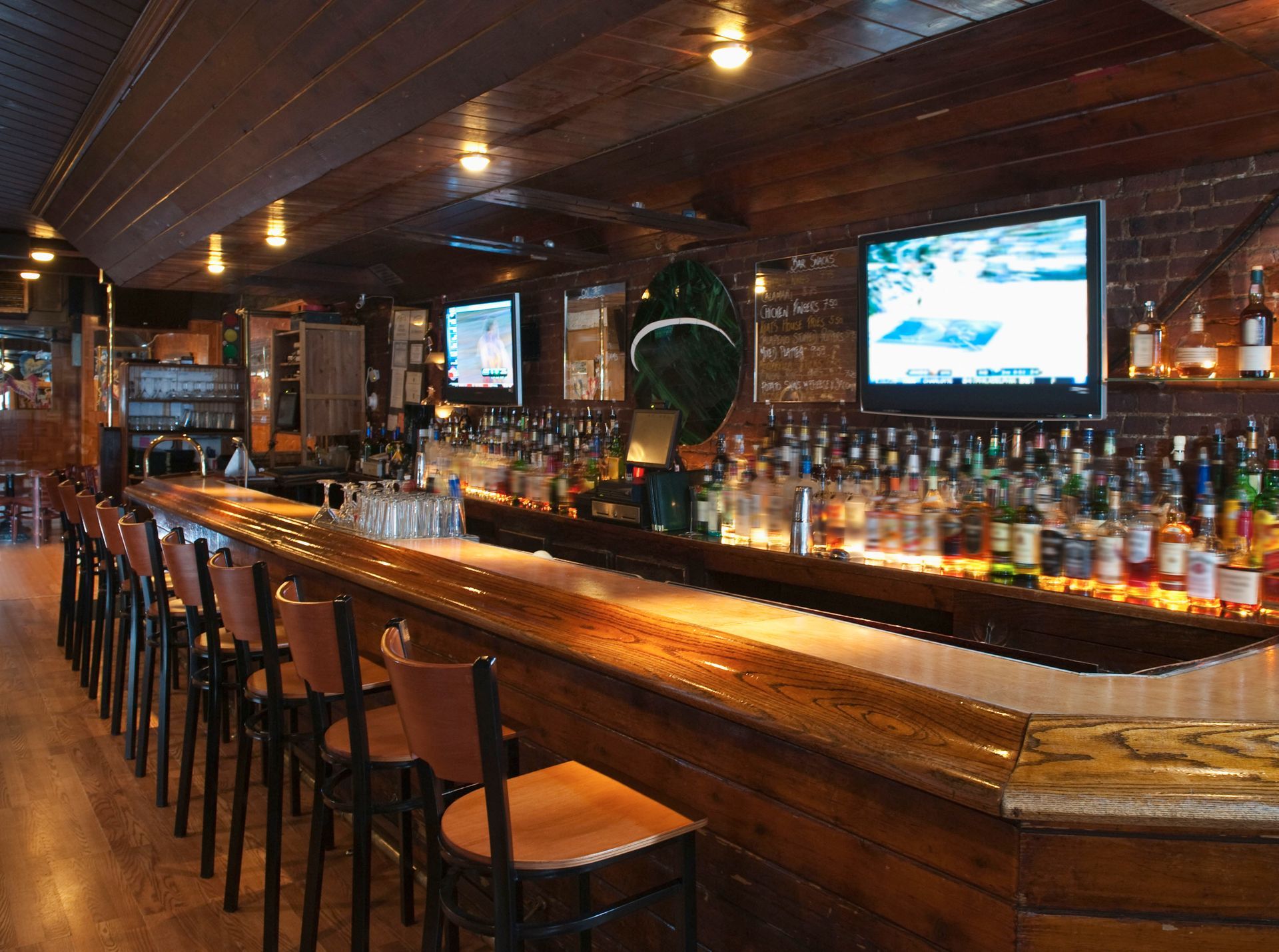
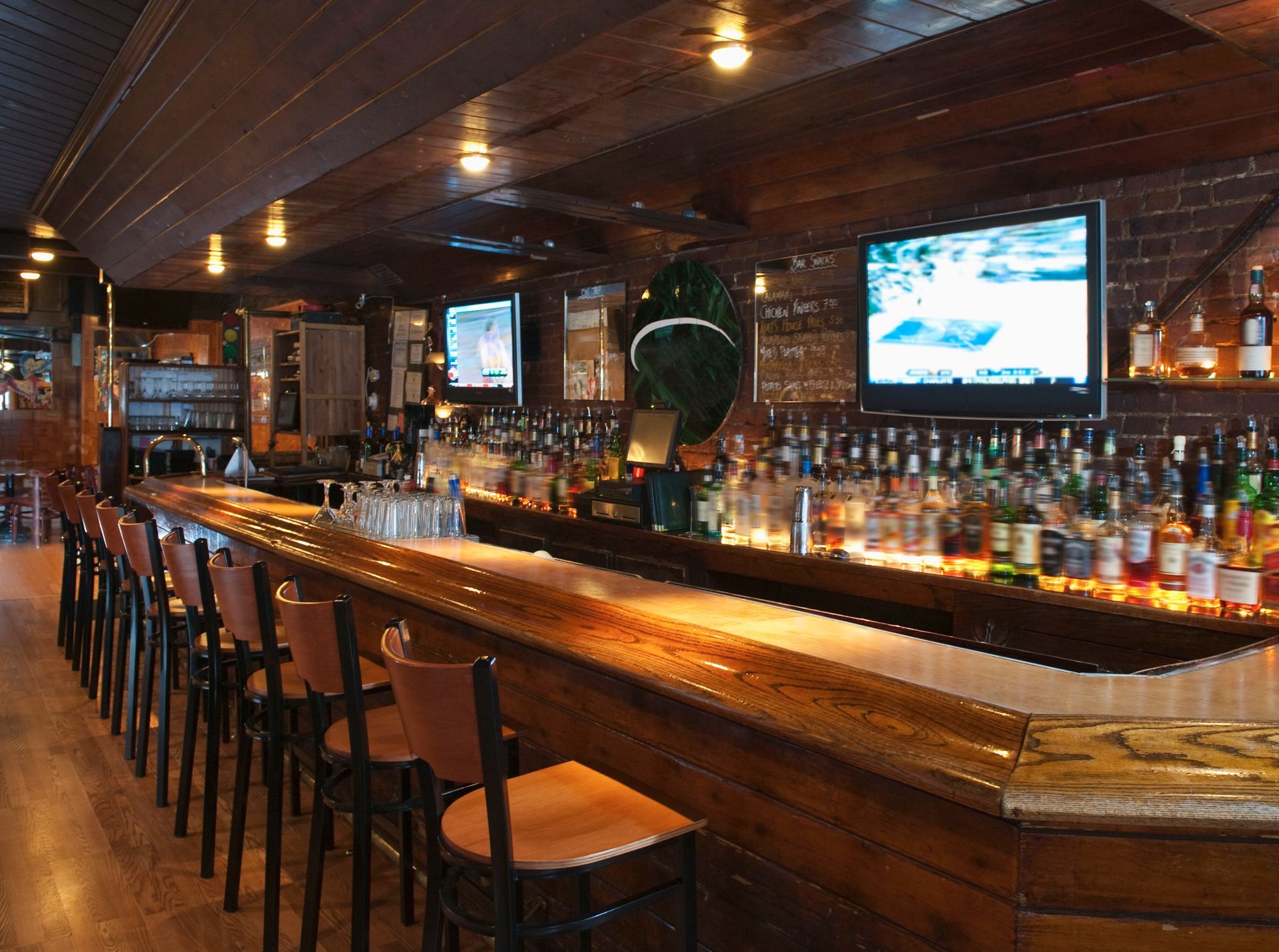
Ambiance significantly shapes the overall enjoyment of a meal, acting as the backdrop for social interaction and culinary appreciation. Interior design elements like lighting, seating arrangements, acoustics, and decor establish the emotional tone of an establishment. Whether seeking a lively, energetic dining space or a quiet, intimate corner, matching the physical environment to the occasion ensures a harmonious experience. Well-designed interiors reflect a comprehensive commitment to hospitality, showing that management values guest comfort as much as food presentation.
Acoustic management and seating density dictate how comfortably guests can converse during their meals. Thoughtful establishments invest in sound-dampening acoustic panels, comfortable upholstered seating, and strategic table spacing to prevent overcrowding. Cleanliness throughout visible areas, including host stands, dining rooms, restrooms, and open kitchen spaces, offers direct insight into overall operational standards. A pristine physical environment demonstrates pride in service, professional discipline, and respect for dining guests across high-quality restaurants.
Observe Hospitality Standards and Service Flow
Exceptional hospitality elevates great food into an unforgettable dining experience, creating warmth and genuine welcoming energy. From the moment guests cross the threshold, greeting warmth, host efficiency, and server attentiveness set the tone for the entire visit. Professional service staff possess deep knowledge of menu items, preparation techniques, ingredient sourcing, and beverage pairings, answering questions with enthusiasm and accuracy. Attentive service balances proactive care with respectful space, ensuring guests feel valued without feeling rushed or neglected.
Observing service flow during busy dining hours reveals organizational coordination, leadership presence, and team synergy. Smooth coordination between front-of-house staff and kitchen execution prevents awkward delays, cold food delivery, or mixed beverage orders. Management presence on the dining room floor indicates active oversight and a dedication to immediate issue resolution. Establishments that cultivate positive team cultures naturally deliver superior guest experiences, resulting in long-term customer loyalty and word-of-mouth acclaim for local restaurants.
Investigate Sourcing Practices and Ingredient Quality
Culinary excellence relies fundamentally on superior raw ingredients, making sourcing transparency an essential evaluation criterion. Premier dining spots build direct relationships with local farmers, artisanal bakers, regional seafood purveyors, and sustainable meat producers. Highlighting local purveyors on menus signals a commitment to supporting regional agriculture, reducing environmental footprints, and serving fresh seasonal flavors. Diners can taste the distinct difference that farm-fresh produce, house-made pastas, and prime cuts bring to final dishes.
Questions regarding preparation techniques, allergen management, and ingredient origins should be welcomed by service staff. Kitchens that cook from scratch take visible pride in showcasing custom spice blends, slow-simmered stocks, and scratch-made desserts. Transparency regarding sourcing and prep methods reflects respect for diner health, dietary preferences, and culinary craftsmanship. Prioritizing places that honor natural ingredients guarantees richer flavors, higher nutritional quality, and superior overall value across distinct dining spots.
Seek Authentic Local Recommendations and Community Support
Long-standing community popularity offers reliable proof of sustained quality, value, and customer satisfaction over extended periods. Asking local business owners, hotel concierges, neighborhood residents, and culinary workers yields insider tips that algorithmic search engines might miss. Neighborhood institutions that maintain steady crowds over time have earned their reputation through dependable execution, friendly service, and fair pricing. Discovering off-the-beaten-path dining spots adds excitement to culinary exploration.
Mastering the art of selecting exceptional dining destinations elevates everyday meals into cherished social experiences. By systematically reading authentic online reviews, examining menu focus, soaking in the physical atmosphere, observing service standards, investigating ingredient sourcing, and trusting local recommendations, diners consistently secure outstanding culinary experiences. Taking time to research options transforms dining out into an exciting journey of flavor discovery, cultural connection, and community support.
At The Black Sheep On Broadway, we believe that extraordinary dining combines passionate culinary artistry, warm hospitality, and a welcoming community atmosphere. We invite food lovers to join us for unforgettable meals crafted with fresh ingredients, exceptional care, and unmatched dedication to memorable dining experiences. Contact us today to learn more.


Share On: