
How Do I Know If a Local Restaurant Is Good?

October 29, 2025

Choosing where to eat can be surprisingly tricky. With countless options lining streets and online directories, finding a place that delivers both great food and a memorable experience takes a little research. If you’re looking for a local restaurant, it’s not just about the menu—it’s about quality, atmosphere, and consistency. Knowing what to look for before stepping inside can save you time, money, and disappointment.


From checking reviews to sampling signature dishes, there are practical ways to evaluate whether a restaurant is worth your visit. In this guide, we’ll explore strategies you can use to determine if a local restaurant is genuinely good. By following these steps, you’ll gain the confidence to choose eateries that satisfy your taste buds and dining expectations.


Researching Online

In today’s digital age, online research is one of the first and most effective steps in evaluating a restaurant. Most restaurants maintain a website or social media profile where you can check menus, hours, and even photos of dishes. According to Stock Mfg Co, around 80% of diners research menus online before visiting a restaurant, highlighting how crucial this step has become. Spending a few minutes exploring what a restaurant offers can help you determine whether it fits your cravings and expectations.


Additionally, online research allows you to see how actively a restaurant engages with its audience. These details give clues about the restaurant’s professionalism and attention to customer satisfaction. By looking beyond just the food and examining the restaurant’s online presence, you gain valuable insight into the overall experience you can expect.


Reading Reviews

One essential strategy when evaluating a local restaurant is to read reviews. Online review platforms provide a mix of opinions from past diners, giving you a sense of consistency in food quality and service. While one negative review doesn’t tell the whole story, patterns in the feedback can reveal strengths or weaknesses that might not be immediately visible. Consistently positive reviews often indicate reliability, while repeated complaints could be red flags.


It’s also important to assess reviews critically. Look for detailed accounts rather than overly short or vague comments, and watch for signs of fake reviews or bias. Consider the reviewer’s perspective: some people value ambiance more than service, while others prioritize taste above all. By carefully reading reviews, you can gather a well-rounded understanding of what to expect from a local restaurant before stepping inside.


Observing Popularity

The popularity of a restaurant is often a reliable indicator of their quality. A busy restaurant during peak hours usually suggests that the food, service, or atmosphere resonates with locals. Foot traffic can reflect more than just marketing—frequent diners often mean that repeat customers are satisfied enough to return regularly. A restaurant with consistent demand can be a sign of high-quality dishes and a strong reputation.


However, it’s important not to rely solely on crowd size. Sometimes hype or trends can temporarily inflate popularity, especially on social media. Combine this observation with other factors such as reviews, cleanliness, and menu offerings. Overall, observing how popular a restaurant is provides an additional layer of insight into whether it’s worth your time and money when choosing a local restaurant.


Checking Cleanliness

Another important aspect of any dining establishment is cleanliness, as it reflects care and attention to detail. Take note of how well-maintained the tables, floors, and restrooms are, as these areas can indicate the general standards of the venue. Small details, such as tidy surfaces and organized service areas, can enhance the overall experience and comfort for patrons.


Also, pay attention to staff hygiene and how food or drinks are handled. Observing these practices can give you a sense of how seriously the venue approaches basic safety and quality. Being mindful of cleanliness helps ensure a comfortable and enjoyable visit without setting unrealistic expectations.


Assessing Service Quality

The quality of service plays a crucial role in your overall dining experience. Attentive and friendly staff can enhance your meal, while slow or rude service can detract from even the best food. Pay attention to how staff interact with customers, how quickly they respond to requests, and whether they demonstrate knowledge about the menu. A restaurant that trains its staff typically values the customer experience.


Exceptional service often mirrors the management’s dedication to quality. A restaurant that invests in its employees and customer interactions is more likely to deliver consistently positive experiences. When considering a local restaurant, assessing service quality can help ensure your visit is enjoyable from start to finish, rather than just focusing on taste alone.


Observing Popular Orders

You can get a sense of a restaurant’s quality by observing what others are ordering. Watching which dishes are frequently served to nearby tables can give you insight into what the restaurant does best. Seeing consistent orders can help you identify dependable choices without relying solely on the menu descriptions.


Another approach is to ask the staff for recommendations. Servers usually know which dishes are most popular or well-executed, and their suggestions can guide you toward satisfying options. Paying attention to what diners around you enjoy, combined with staff insights, is a practical way to evaluate a local restaurant and make informed choices even when samples or menu highlights aren’t available.


Evaluating Ambiance

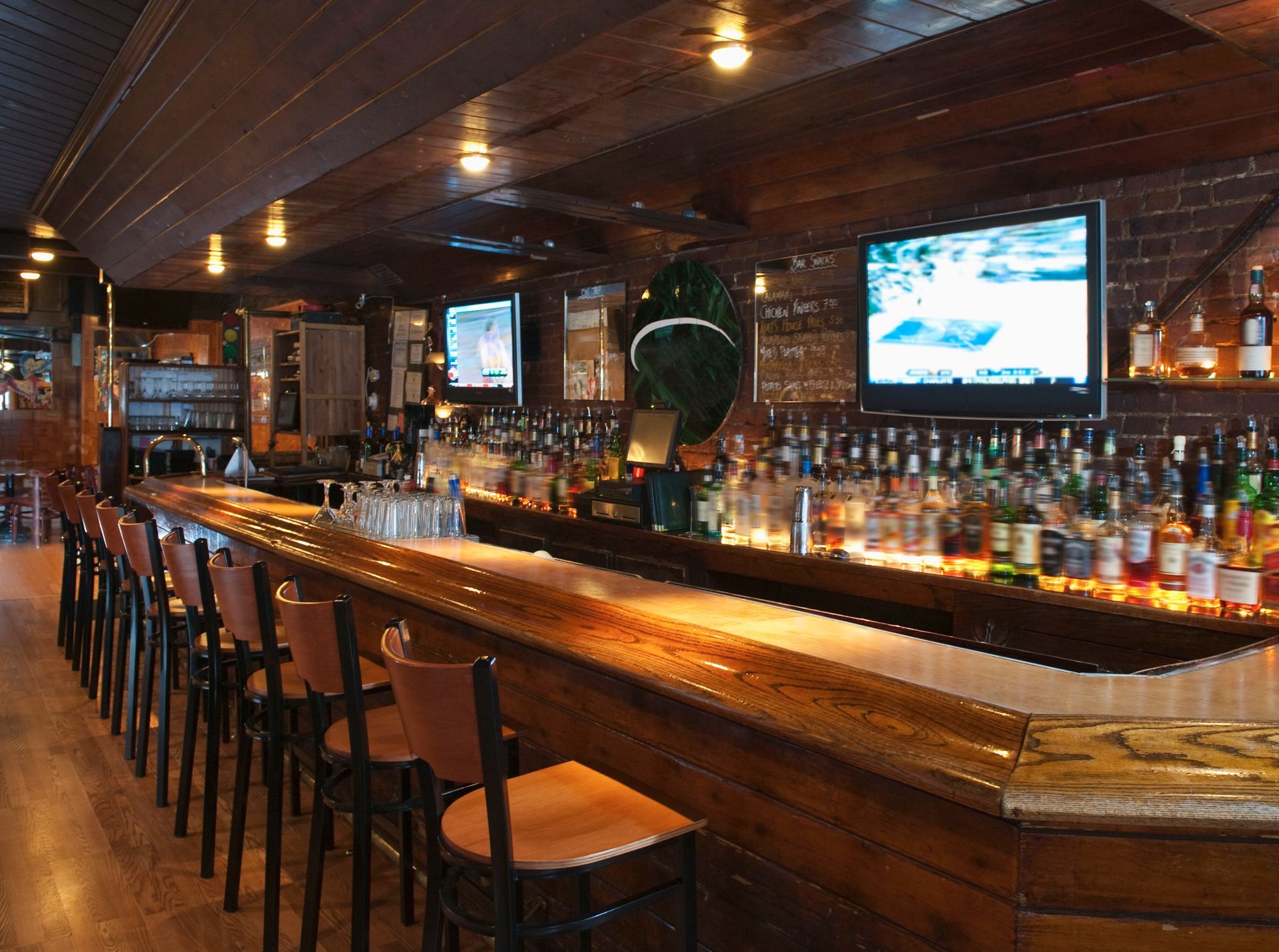
The ambiance of a restaurant can significantly affect your enjoyment of a meal, making it an important factor to consider. The restaurant’s décor, lighting, music, and seating comfort all contribute to the overall experience. A well-designed space creates a welcoming environment that enhances the food and encourages patrons to linger and return.


When evaluating ambiance, consider what kind of experience you want. Some diners prefer a cozy, intimate setting, while others enjoy a lively and social atmosphere. Matching the restaurant’s vibe to your preferences can make a significant difference in satisfaction. A pleasant ambiance is a strong complement to the food and service when choosing a local restaurant.


Trusting Your Instincts

Ultimately, trusting your instincts is key when selecting a restaurant. After researching, reading reviews, observing cleanliness and popularity, and sampling dishes, your gut feeling often reflects your combined impressions. Listening to that inner sense can help you avoid disappointing meals and choose a place you’ll genuinely enjoy. If something feels off, it may be worth exploring other options rather than forcing an experience.


Conversely, if the restaurant checks all the boxes and your instincts are positive, you’re likely to have a satisfying visit. Personal preference plays a significant role in dining satisfaction, so listening to your intuition alongside tangible factors ensures the best choice. Trusting your instincts helps you confidently pick a local restaurant that matches your tastes and expectations.


Finding a great local restaurant doesn’t have to be a gamble. By researching online, reading reviews, observing popularity, checking cleanliness, assessing service, evaluating ambiance, and trusting your instincts, you can make an informed decision. Each of these steps provides valuable insight into the quality and experience a restaurant offers. Following this approach ensures that the restaurant you choose is enjoyable, safe, and worth your time.


Ready to enjoy an unforgettable meal? At The Black Sheep On Broadway, we serve delicious dishes crafted with care to make every visit special. Come in today and treat yourself to a dining experience you won’t forget!

How Do I Know If a Local Restaurant Is Good?
sports bar grills
September 8, 2026
Discover how sports bar grills combine live games, casual dining, drinks, and social entertainment for a fun and energetic night with friends.
local restaurant
September 1, 2026
Finding a fantastic local restaurant should be a joyous occasion, not a stressful chore that ruins your appetite before you even leave the house.
restaurant
August 31, 2026
Choosing a dining destination can shape the entire experience of a celebration, business gathering, date, family meal, or casual night out. The right setting can complement the purpose of the occasion, while the wrong choice may create unnecessary distractions. Factors such as menu options, atmosphere, location, service, seating, and availability can all influence the decision. Considering these details before making a reservation can help guests select a restaurant that fits both their expectations and the event. Considering the Occasion The purpose of the gathering should be one of the first considerations when evaluating dining options. A birthday celebration may call for an energetic atmosphere, while a business dinner may benefit from a quieter setting that allows conversation. A romantic evening may require a different environment than a casual meal with friends or a family gathering. Matching the setting to the occasion helps create an experience that feels appropriate from the beginning. The size and nature of the group can also influence the decision. Larger parties may need spacious seating arrangements, while smaller groups may prioritize an intimate atmosphere. Guests should consider whether the restaurant regularly accommodates gatherings similar to theirs. Understanding these needs early can narrow the available choices and make the selection process more efficient. Reviewing the Menu The menu should reflect the preferences and dietary needs of everyone attending. Guests may have different tastes, allergies, dietary restrictions, or expectations about the type of meal they want. Reviewing menu offerings in advance can help determine whether there are suitable options for the entire group. A varied menu can be particularly useful when several people with different preferences are dining together. The style of cuisine also matters because it contributes to the overall character of the occasion. Some gatherings may call for familiar comfort food, while others may be an opportunity to explore distinctive dishes. Portion styles, shared plates, appetizers, entrees, and dessert selections can also affect how the meal unfolds. Considering the complete menu rather than one or two individual dishes provides a better sense of whether the restaurant fits the event. Evaluating the Atmosphere Atmosphere can influence how comfortable and enjoyable guests feel throughout a meal. Lighting, music, décor, seating arrangements, and overall energy all contribute to the environment. A lively space may work well for celebrations and social gatherings, while a more relaxed environment may better support extended conversations. Guests should consider the mood they want the occasion to create. The atmosphere should also complement the group's expectations. A venue with an energetic dining room may create excitement, but it may not be appropriate for an important conversation. Similarly, a very quiet setting might feel overly formal for a casual gathering. Evaluating the environment in relation to the purpose of the event can help guests make a more suitable selection. Checking the Location Location can have a significant effect on the convenience of a dining experience. Guests may need to consider travel distance, parking, public transportation, and accessibility for everyone attending. A centrally located restaurant can simplify logistics when people are traveling from different areas. For special occasions, reducing transportation challenges can allow guests to focus more on the event itself. The surrounding area may also influence the experience. Some groups may prefer a venue near entertainment, shopping, attractions, or other activities planned before or after the meal. Others may want a destination that provides a more focused dining experience. Considering the full itinerary can help determine which location makes the most sense. Assessing Service Expectations Service is another important factor when choosing a dining venue. Attentive, organized service can help a meal proceed smoothly, particularly when the gathering involves multiple courses or a larger group. Guests may want to consider how the restaurant handles reservations, special requests, timing, and group dining. These details can make a noticeable difference during important occasions. For larger gatherings, communication before the event can be especially useful. Guests may need to coordinate seating arrangements, timing, menu requirements, or other details with the venue. A restaurant that can clearly communicate about these considerations can help reduce uncertainty. Professional service throughout the meal can then support a more enjoyable experience for everyone. Comparing Dining Technology Technology has become increasingly common within modern dining environments. Online reservations, digital menus, ordering systems, payment options, and communication tools can make certain aspects of dining more convenient. These features may be particularly useful when guests are coordinating a special event or trying to secure a table at a busy venue. Technology can also influence how efficiently a dining operation manages its guests. According to the National Restaurant Association, more than 80% of restaurant operators report that technology either gives them a competitive advantage or helps improve efficiency. This reflects the growing role technology plays in restaurant operations. Guests may therefore encounter a variety of digital features when selecting where to dine. While technology should not replace considerations such as food and atmosphere, it can contribute to a smoother overall experience. Reviewing Reservation Options Availability can become especially important for birthdays, anniversaries, holidays, business meetings, and other events tied to a specific date. Checking reservation options early can provide more flexibility regarding seating times and group size. Popular restaurants may have limited availability during peak periods. Planning ahead can help guests avoid having to compromise on important details. Guests should also consider whether the venue has seating arrangements that suit their gathering. Booths, tables, private areas, bar seating, and outdoor spaces can provide very different experiences. Asking about available arrangements can help ensure the selected space works for the group's needs. Reservation details should align with the event rather than simply focusing on whether a table is available. Considering Group Needs Every group has its own priorities, and those needs should influence the selection process. Families may value flexible menus and comfortable seating, while coworkers may prioritize conversation and convenient scheduling. Celebrations may benefit from a lively environment, while intimate gatherings may call for a more relaxed setting. Considering the people attending helps make the choice more personalized. Accessibility should also remain part of the evaluation. Guests may need accessible entrances, suitable seating, or accommodations for specific dietary requirements. Addressing these considerations before the event can prevent unnecessary complications. A restaurant that can accommodate the group comfortably can contribute to a more positive experience for everyone. Matching the Dining Experience The strongest choice is not necessarily the venue with the most features. Instead, guests should focus on how well the food, atmosphere, service, location, and setting align with the occasion. A simple gathering may benefit from a comfortable environment and approachable menu, while a milestone event may call for a more distinctive experience. The goal is to select a dining destination that complements the reason everyone is gathering. It can also help to consider what guests are likely to remember after the meal. Food quality is important, but the overall experience includes the environment, service, comfort, and interaction among the people at the table. When those elements work together, the meal can become a meaningful part of the occasion. Taking a complete view of the dining experience can make the selection more purposeful. If you are planning your next gathering, we invite you to visit The Black Sheep On Broadway and experience what our team has to offer. Our menu and atmosphere provide a setting for connecting over a shared meal and enjoying time with the people who matter. Contact us or make plans to visit when you are ready to make your next occasion a memorable one.
More Posts →