5 Features That Make a Great Gastropub

July 23, 2025

Gastropubs have earned their place as beloved fixtures in communities across the country, offering an elevated spin on the traditional pub experience. By combining high-quality food, craft beverages, and a relaxed atmosphere, they appeal to foodies and casual diners alike. But what makes a gastropub stand out from the crowd? A successful gastropub isn't just a place to grab a bite. It’s a place where the experience matters just as much as the meal. From curated menus to community ties, a great restaurant in this category checks all the right boxes.


1. Prioritize Exceptional Food


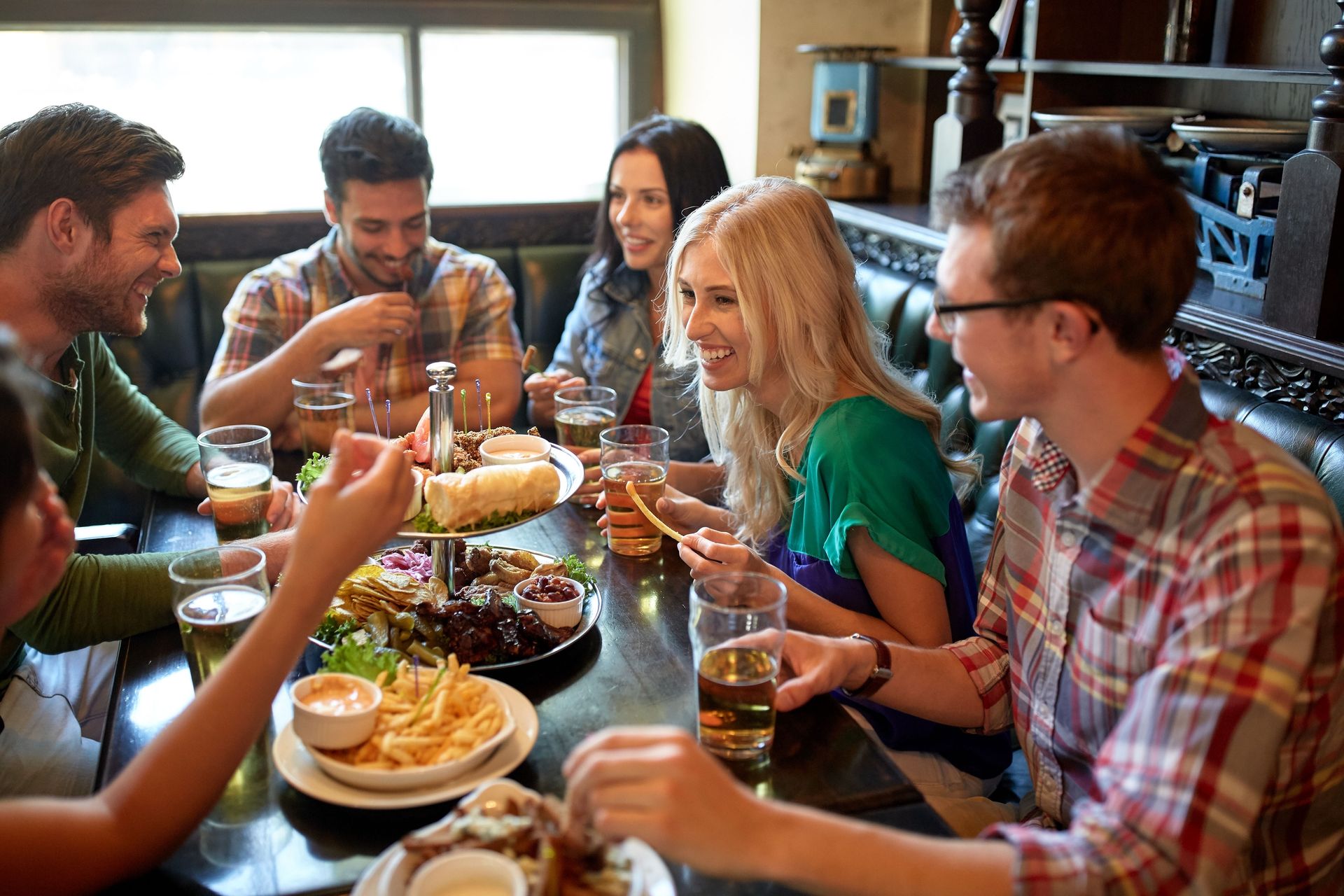
At the heart of every great gastropub is its food. Unlike the stereotypical pub that offers only basic fried snacks or frozen fare, gastropubs are celebrated for their thoughtfully developed menus. A standout restaurant will feature fresh, locally sourced ingredients, unique flavor combinations, and attention to detail in every dish. Whether it's loaded handhelds, gourmet sliders, or house-made soups and salads, the food should make a lasting impression.


Diners today aren’t just stumbling into places and hoping for the best; they’re doing their homework. In fact, according to Stock Mfg Co, 80% of consumers are researching menus online before visiting a restaurant. That means your menu must be visually enticing, accessible, and most importantly, worth the visit. A gastropub that can deliver on those promises will keep customers coming back for more.


2. Curate an Impressive Drink List


A gastropub isn’t just about what’s on the plate—it’s also about what’s in the glass. A carefully curated beverage selection can take a good meal and turn it into a great dining experience. This includes not just a full liquor bar but also rotating taps of craft beer, house cocktails with seasonal ingredients, and even wine lists that complement the food offerings.


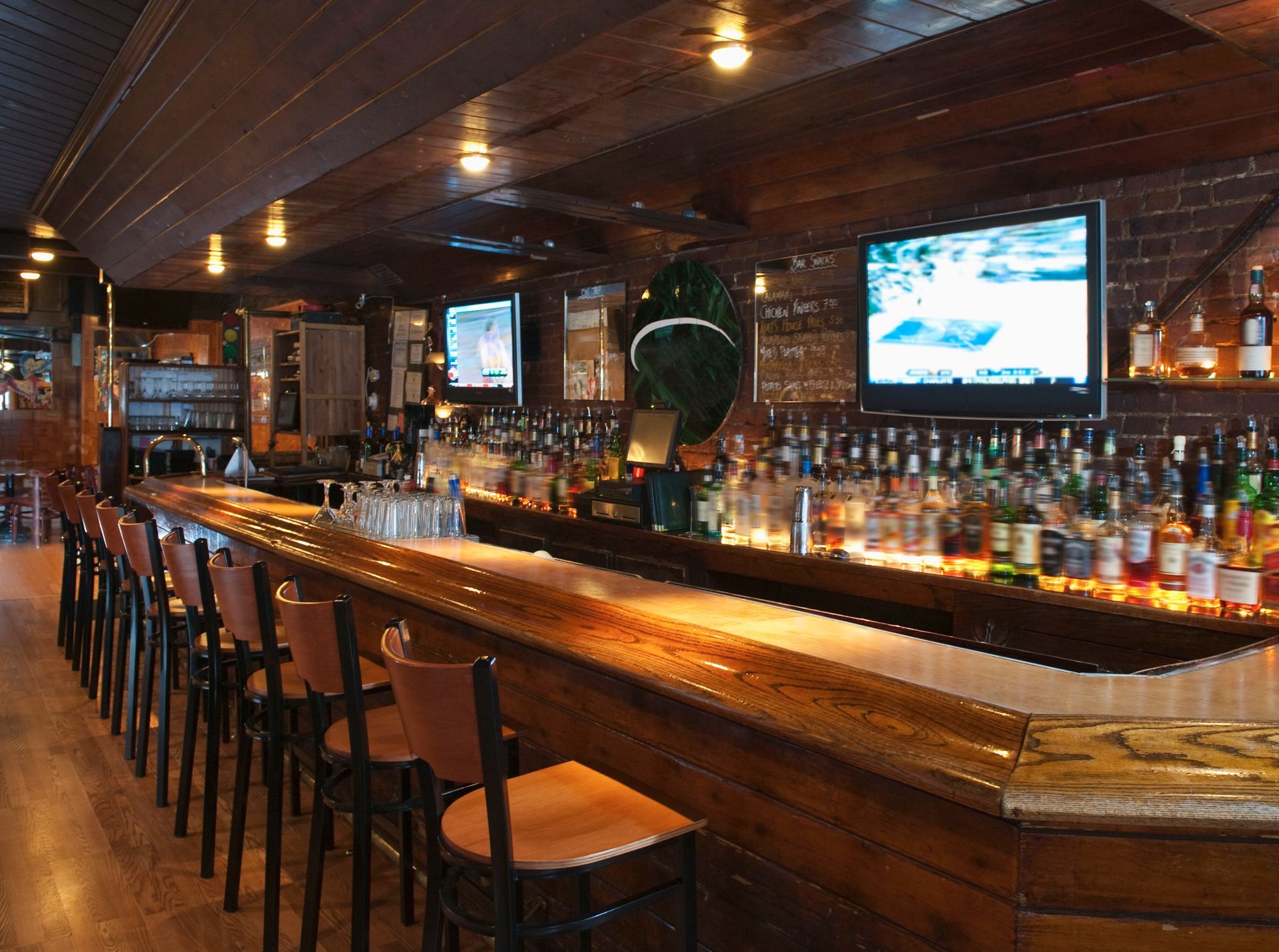
Offering cold beers on tap and a full bar, the best establishments make the drinks part of the draw. Ideally, the beverage program feels intentional, aligning with the chef’s vision and giving patrons options that enhance their meal. A midweek happy hour or a featured cocktail special can also help create buzz and boost traffic.


3. Create a Welcoming Atmosphere


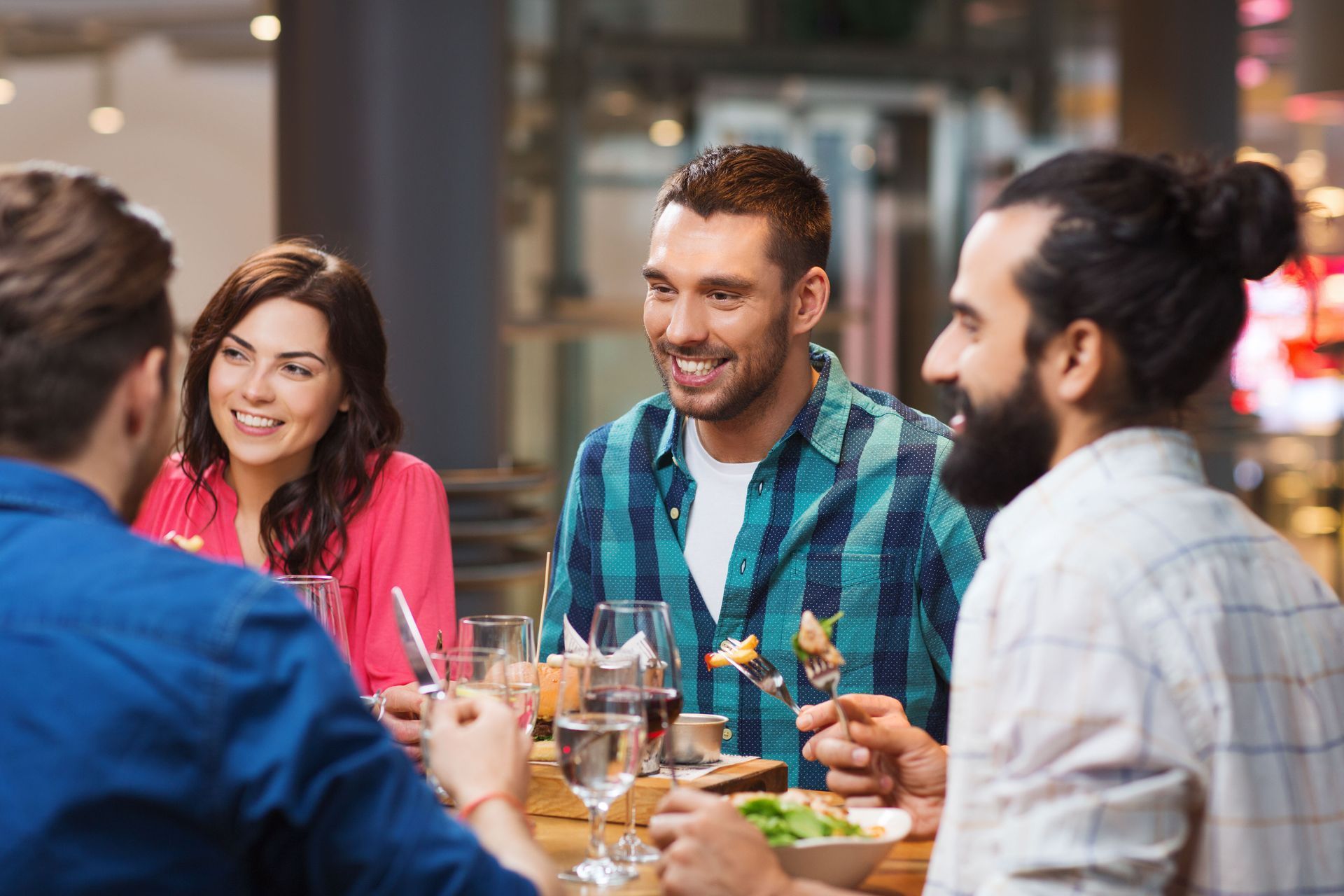
Ambience plays a pivotal role in a guest’s experience. Gastropubs are unique in that they aim to strike a balance between upscale and cozy. The goal is to foster a sense of ease that works for everything from date night to brunch with friends.


The restaurant’s vibe should reflect its personality. Live music, for instance, adds energy and excitement. Whether someone’s dropping in for a quick beer or hosting a small gathering, the environment should feel just right, comfortable but refined.


4. Focus on Exceptional Service


Even the most delicious food and appealing atmosphere can be undermined by poor customer service. That’s why top-tier gastropubs train staff not only to be efficient but also to be informed and personable. Waitstaff should know the menu inside and out and be ready with pairing suggestions or answers to dietary questions.


Great service is what makes someone feel seen and valued. It builds loyalty and helps turn one-time visitors into regulars. A well-run restaurant recognizes that hospitality isn’t just about serving food—it’s about creating a relationship with the guest.


5. Build Strong Community Connections


Gastropubs have the potential to be more than just eateries—they can be community anchors. Hosting local events, fundraising for charities, and spotlighting area artists or musicians are all ways a restaurant can support its neighborhood. This isn’t just good PR—it’s good business. Customers love supporting places that give back and are truly invested in where they operate.


Take for example the kinds of venues that participate in community-wide celebrations, sponsor festivals, or offer incentive programs to reward locals. These gestures go a long way in establishing a meaningful presence in the area. A gastropub that acts as a hub for local culture becomes more than a place to eat; it becomes part of people’s routines and memories.


Looking for a place that combines all these elements under one roof? Visit The Black Sheep on Broadway, right here in Ocala, FL. As a woman-owned, locally rooted
restaurant, we pride ourselves on delivering more than just meals—we deliver experiences. With options for dine-in, private parties, and takeout, plus a menu packed with appetizers, handhelds, sliders à la carte, soups, and salads, there’s something for everyone. Enjoy live music on weekends, a full liquor bar, 12 beers on tap, and happy hour specials Monday through Friday with our buy-two, get-one-free deal. We also offer a preferred membership status for our most loyal guests. Come see what makes us a true gastropub favorite—we can't wait to welcome you!
5 Features That Make a Great Gastropub
sports bar grills
September 8, 2026
Discover how sports bar grills combine live games, casual dining, drinks, and social entertainment for a fun and energetic night with friends.
local restaurant
September 1, 2026
Finding a fantastic local restaurant should be a joyous occasion, not a stressful chore that ruins your appetite before you even leave the house.
restaurant
August 31, 2026
Choosing a dining destination can shape the entire experience of a celebration, business gathering, date, family meal, or casual night out. The right setting can complement the purpose of the occasion, while the wrong choice may create unnecessary distractions. Factors such as menu options, atmosphere, location, service, seating, and availability can all influence the decision. Considering these details before making a reservation can help guests select a restaurant that fits both their expectations and the event. Considering the Occasion The purpose of the gathering should be one of the first considerations when evaluating dining options. A birthday celebration may call for an energetic atmosphere, while a business dinner may benefit from a quieter setting that allows conversation. A romantic evening may require a different environment than a casual meal with friends or a family gathering. Matching the setting to the occasion helps create an experience that feels appropriate from the beginning. The size and nature of the group can also influence the decision. Larger parties may need spacious seating arrangements, while smaller groups may prioritize an intimate atmosphere. Guests should consider whether the restaurant regularly accommodates gatherings similar to theirs. Understanding these needs early can narrow the available choices and make the selection process more efficient. Reviewing the Menu The menu should reflect the preferences and dietary needs of everyone attending. Guests may have different tastes, allergies, dietary restrictions, or expectations about the type of meal they want. Reviewing menu offerings in advance can help determine whether there are suitable options for the entire group. A varied menu can be particularly useful when several people with different preferences are dining together. The style of cuisine also matters because it contributes to the overall character of the occasion. Some gatherings may call for familiar comfort food, while others may be an opportunity to explore distinctive dishes. Portion styles, shared plates, appetizers, entrees, and dessert selections can also affect how the meal unfolds. Considering the complete menu rather than one or two individual dishes provides a better sense of whether the restaurant fits the event. Evaluating the Atmosphere Atmosphere can influence how comfortable and enjoyable guests feel throughout a meal. Lighting, music, décor, seating arrangements, and overall energy all contribute to the environment. A lively space may work well for celebrations and social gatherings, while a more relaxed environment may better support extended conversations. Guests should consider the mood they want the occasion to create. The atmosphere should also complement the group's expectations. A venue with an energetic dining room may create excitement, but it may not be appropriate for an important conversation. Similarly, a very quiet setting might feel overly formal for a casual gathering. Evaluating the environment in relation to the purpose of the event can help guests make a more suitable selection. Checking the Location Location can have a significant effect on the convenience of a dining experience. Guests may need to consider travel distance, parking, public transportation, and accessibility for everyone attending. A centrally located restaurant can simplify logistics when people are traveling from different areas. For special occasions, reducing transportation challenges can allow guests to focus more on the event itself. The surrounding area may also influence the experience. Some groups may prefer a venue near entertainment, shopping, attractions, or other activities planned before or after the meal. Others may want a destination that provides a more focused dining experience. Considering the full itinerary can help determine which location makes the most sense. Assessing Service Expectations Service is another important factor when choosing a dining venue. Attentive, organized service can help a meal proceed smoothly, particularly when the gathering involves multiple courses or a larger group. Guests may want to consider how the restaurant handles reservations, special requests, timing, and group dining. These details can make a noticeable difference during important occasions. For larger gatherings, communication before the event can be especially useful. Guests may need to coordinate seating arrangements, timing, menu requirements, or other details with the venue. A restaurant that can clearly communicate about these considerations can help reduce uncertainty. Professional service throughout the meal can then support a more enjoyable experience for everyone. Comparing Dining Technology Technology has become increasingly common within modern dining environments. Online reservations, digital menus, ordering systems, payment options, and communication tools can make certain aspects of dining more convenient. These features may be particularly useful when guests are coordinating a special event or trying to secure a table at a busy venue. Technology can also influence how efficiently a dining operation manages its guests. According to the National Restaurant Association, more than 80% of restaurant operators report that technology either gives them a competitive advantage or helps improve efficiency. This reflects the growing role technology plays in restaurant operations. Guests may therefore encounter a variety of digital features when selecting where to dine. While technology should not replace considerations such as food and atmosphere, it can contribute to a smoother overall experience. Reviewing Reservation Options Availability can become especially important for birthdays, anniversaries, holidays, business meetings, and other events tied to a specific date. Checking reservation options early can provide more flexibility regarding seating times and group size. Popular restaurants may have limited availability during peak periods. Planning ahead can help guests avoid having to compromise on important details. Guests should also consider whether the venue has seating arrangements that suit their gathering. Booths, tables, private areas, bar seating, and outdoor spaces can provide very different experiences. Asking about available arrangements can help ensure the selected space works for the group's needs. Reservation details should align with the event rather than simply focusing on whether a table is available. Considering Group Needs Every group has its own priorities, and those needs should influence the selection process. Families may value flexible menus and comfortable seating, while coworkers may prioritize conversation and convenient scheduling. Celebrations may benefit from a lively environment, while intimate gatherings may call for a more relaxed setting. Considering the people attending helps make the choice more personalized. Accessibility should also remain part of the evaluation. Guests may need accessible entrances, suitable seating, or accommodations for specific dietary requirements. Addressing these considerations before the event can prevent unnecessary complications. A restaurant that can accommodate the group comfortably can contribute to a more positive experience for everyone. Matching the Dining Experience The strongest choice is not necessarily the venue with the most features. Instead, guests should focus on how well the food, atmosphere, service, location, and setting align with the occasion. A simple gathering may benefit from a comfortable environment and approachable menu, while a milestone event may call for a more distinctive experience. The goal is to select a dining destination that complements the reason everyone is gathering. It can also help to consider what guests are likely to remember after the meal. Food quality is important, but the overall experience includes the environment, service, comfort, and interaction among the people at the table. When those elements work together, the meal can become a meaningful part of the occasion. Taking a complete view of the dining experience can make the selection more purposeful. If you are planning your next gathering, we invite you to visit The Black Sheep On Broadway and experience what our team has to offer. Our menu and atmosphere provide a setting for connecting over a shared meal and enjoying time with the people who matter. Contact us or make plans to visit when you are ready to make your next occasion a memorable one.
More Posts →